
Many homeowners spot small marks on ceramic tiles after moving furniture or playing. They want a clear, safe way to fix the tile floor without more damage. The post answers the common problem of removing scratches while protecting grout and tile care.
It shows simple cleaning solutions and diy methods that people can try with common cleaning products.
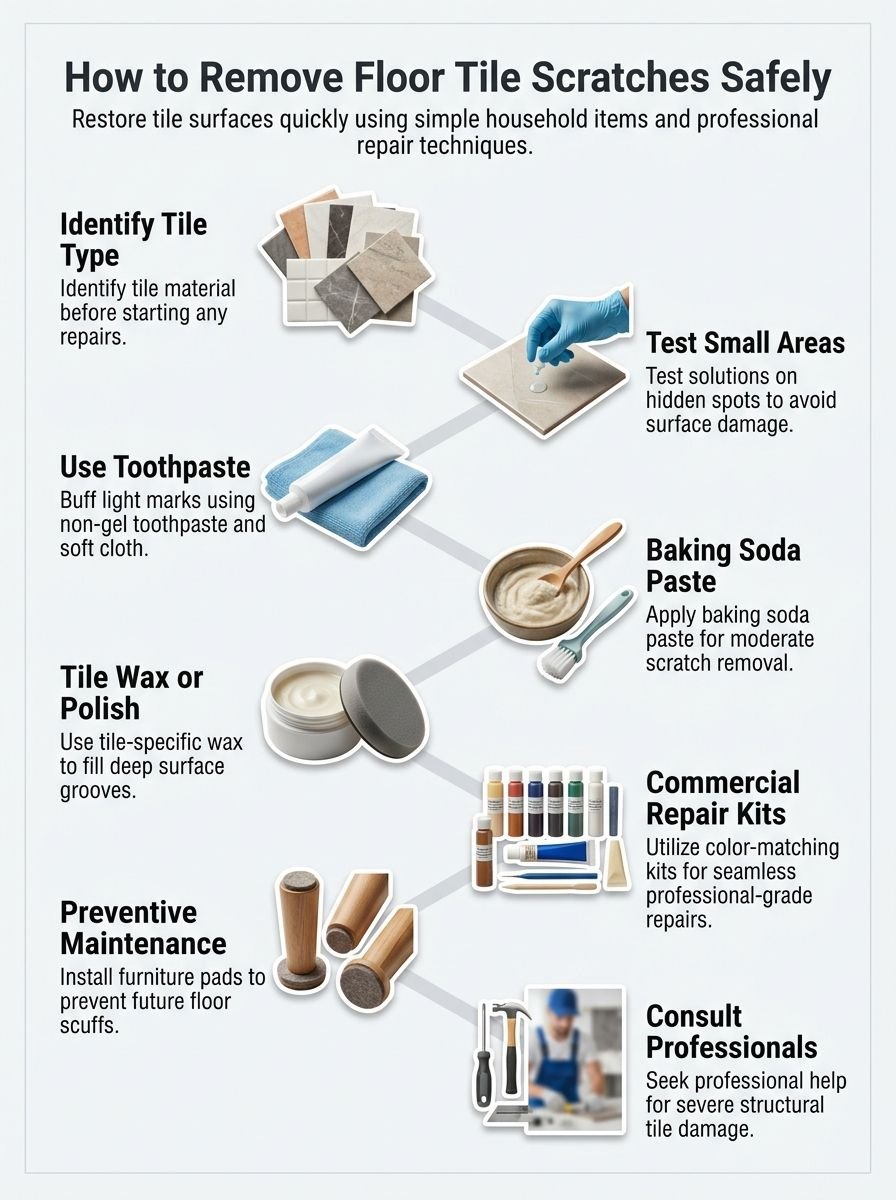
One clear fact helps right away: white, non-gel toothpaste can remove light scratches on floor tiles. The guide also covers baking soda paste, polishing compound tips, and when to skip sandpaper.
It will list safe scratch removal techniques for ceramic tiles, travertine tile, and other floor tiles. Read on.
Key Takeaways
- Use non-gel toothpaste to safely remove light scratches from floor tiles; test it on a small area first to check for color match and reaction.
- For moderate scratches, apply a thick baking soda paste and polish with a soft cloth in small circles; this method is safe for most ceramic and porcelain tiles.
- Deeper scratches may need tile-specific wax or polish; always choose the right product for your type of tile and follow drying instructions carefully.
- Commercial scratch repair kits offer quick solutions with color-matching compounds, applicators, and step-by-step instructions; always confirm kit compatibility with your tile type before use.
- Prevent future scratches by using mats at entryways, adding furniture pads, keeping pet nails trimmed, sweeping regularly, and applying protective sealants if suitable for your tiles.
Identify the Type of Tile and Scratch
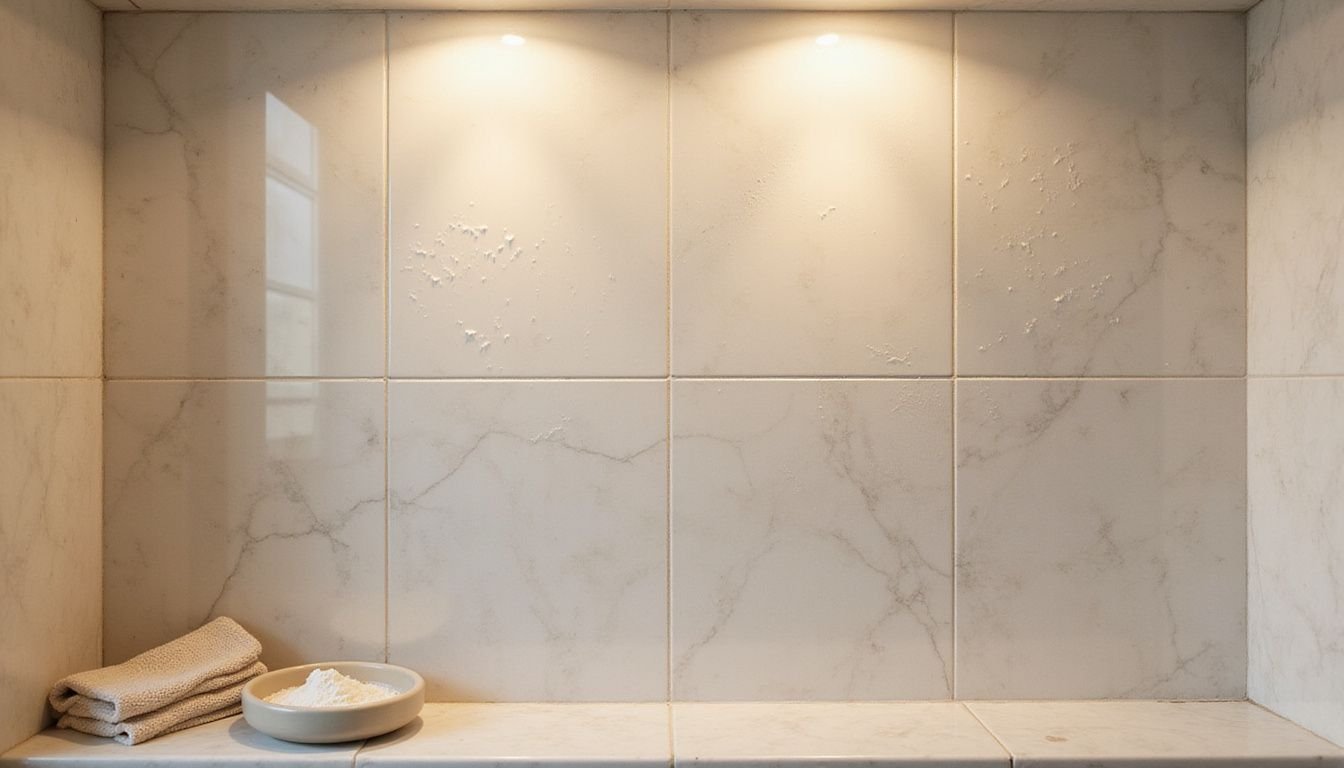
Owners should check the tile type first. Porcelain, vitrified, and glazed ceramic resist surface damage. Natural stones like marble and travertine scratch differently. Shower tile often hides fine marks under soap scum.
A deep scratch cuts into the glaze or body. A surface scratch only affects the finish.
They should test a small area before any fix. Use a soft cloth and water or mild cleaner from Home Depot. Try toothpaste or baking soda paste on light marks before car polish or wax.
Seek guidance from brands like Simpolo Tiles & Bathware for product match. Parents should note that olive oil hides tiny scuffs but does not remove deep scratches.
DIY Methods for Removing Scratches
Removing scratches from floor tiles can be simple. Homeowners can use various DIY methods to restore their surfaces.
Toothpaste works well for light scratches, acting as a mild abrasive. For moderate scratches, a paste made of baking soda and water can help fill in the gaps and reduce visibility.
Deeper scratches may require wax or polish designed specifically for tile surfaces to conceal damage effectively.
Toothpaste for Light Scratches
Home owners can fix light floor tile scratches fast. Parents will like this safe, cheap lifehack.
- Gather non-gel toothpaste, a soft cloth, an old toothbrush, clean water, and a dry towel for this home improvement task.
- Pick a hidden spot on the tile and test a small dab of toothpaste to check color match and surface reaction.
- Apply a pea-sized amount of non-gel toothpaste onto the scratch and work in circular motions with the soft cloth or the toothbrush for about 30 to 60 seconds.
- Rinse thoroughly with a damp cloth or small cup of water to remove all toothpaste residue and avoid dulling the finish.
- Dry the area completely with a towel to spot any remaining scratch and to prevent water marks during dailycleaning.
- Stop if the groove looks deep or if the toothpaste does not help, and consider a commercial tile scratch repair kit or a professional through services like JustAnswer for further advice.
- Share quick before-and-after photos on Facebook or Instagram to show the fix, and add this tip to household lifehacks for future use.
Baking Soda Paste for Moderate Scratches
After using toothpaste on light marks, move to a stronger fix. Use a baking soda paste for moderate scratches on floor tiles.
- Mix three parts baking soda with one part water to form a thick paste that will not drip.
- Aim for a spreadable, thick consistency so the paste stays on the scratch during polishing.
- Apply the paste directly onto each scratch on the tile surface, covering the full damaged area.
- Use a soft cloth or sponge to gently polish the scratched area in small circles; apply light pressure.
- Wipe the surface clean with a damp cloth to remove any residue from the paste after polishing.
- Test the paste on one tile first, especially near wooden floor edges or grout lines, to avoid unexpected marks.
- Note that this method helps remove scratches without damaging most ceramic and porcelain floor tiles.
- House owners who follow tidytipshackurhouse tips often report success using common tools like a soft cloth, sponge, baking soda, and water.
- Parents should avoid letting children near the cleaning area and keep baking soda out of reach during work.
- This low-cost method can reduce the need for meta products or commercial kits when addressing moderate scratches.
- If an oil stain or heavy surface damage appears after treatment, stop and consult a professional.
- Keep browser tabs or accounts centre notes for product test results and any online advertising offers before buying specialty kits.
- Sister Yan, a tile care advisor, suggests repeating the paste polish once after 24 hours if scratches remain faint.
Wax or Polish for Deeper Scratches
Wax or polish can effectively treat deeper scratches on floor tiles. These treatments restore the tile’s shine and protect it from further damage.
- Choose the right product for your tile material. Different tiles require specific wax or polish types for effective results.
- Clean the tile surface thoroughly. Ensure there is no dirt, dust, or debris before applying the wax or polish.
- Apply a thin layer of wax or polish evenly. Use a soft cloth to spread the product across the scratched area without overloading it.
- Allow the treatment to dry completely. This step is crucial as it ensures that the wax or polish adheres properly to the tile surface.
- Buff the area gently after drying. Use a clean cloth to restore shine and enhance protection against future scratches.
- Regular maintenance helps prevent deeper scratches in the future. Frequent applications of wax or polish keep tiles looking new.
Using these methods allows house owners and parents to maintain their floor tiles effectively, ensuring they stay scratch-resistant and visually appealing over time.
Use of Commercial Tile Scratch Repair Kits
House owners can find commercial tile scratch repair kits useful for fixing scratches. These kits often provide effective solutions without damaging the tiles.
- Repair kits contain specialized compounds. They fill in scratches and blend with the tile color.
- Most kits include applicators or brushes. Users can apply the compound precisely to scratched areas.
- Some products come with color-matching tools. Homeowners can mix colors to ensure a seamless finish on their tiles.
- Many manufacturers offer step-by-step instructions. Following these guidelines helps achieve better results.
- Users should check if the kit is suitable for their tile type. Different tiles may require specific formulas for effective repairs.
- Commercial kits often save time compared to DIY methods. Homeowners get quick fixes without extensive preparation.
- Several brands may offer warranties or satisfaction guarantees. This assurance adds value to potential purchases for parents and homeowners alike.
- Always clean the area before applying any product. A clean surface ensures better adhesion and long-lasting results.
- Some kits work well on scratch-resistant tiles too, making them versatile options for various flooring types.
Using these specialized products enables house owners to restore their floor tiles efficiently while keeping them looking great over time.https://www.youtube.com/watch?v=bFOwOCCnCHc
Preventing Future Scratches
After using commercial tile scratch repair kits, homeowners can take steps to avoid future scratches on their floor tiles. Regular maintenance and smart choices make a big difference.
- Place mats at entryways to trap dirt and debris. This simple action stops harmful particles from scratching the surface of the tiles.
- Use furniture pads under heavy items like tables and chairs. These pads cushion the contact points and reduce the chances of scratches.
- Avoid dragging furniture across the floor. Lifting furniture reduces friction and protects tile integrity from deep marks.
- Sweep or vacuum regularly to keep loose dirt away. Keeping surfaces clean prevents particles from creating scratches when walked over.
- Keep pet nails trimmed short. Caring for animal claws helps minimize scratching from playful pets running around the house.
- Choose soft cleaning tools for routine care; microfiber cloths work well without damaging the tile surface during cleaning sessions.
- Apply a protective sealant if suitable for your tile type; sealants can provide an extra layer of defense against scratches while enhancing appearance.
- Rotate rugs and carpets in high-traffic areas occasionally; this practice distributes wear evenly and reduces localized scratching on the tiles beneath.
- Educate family members about being careful with heavy objects; awareness prevents accidents that cause scratches on floors, helping maintain their beauty.
When to Call a Professional
Deep scratches often require expert attention. Home remedies may not fix severe damage. Calling a professional ensures proper assessment and repair of the tiles. Experts have specialized tools and knowledge that can tackle tough problems effectively.
If home methods fail to restore the floor, seeking help is smart. Professionals understand unique tile types and how to treat them properly. They also prevent further damage during repairs.
Engaging their services can save homeowners time and money in the long run, ensuring beautiful, scratch-free floors again.
Conclusion
Removing scratches from floor tiles can be simple. Homeowners can easily follow the tips provided. They can use non-gel toothpaste for light scratches or baking soda paste for moderate ones.
For deeper scratches, wax or polish works well too. Regular maintenance helps prevent future damage and keeps floors looking new. When in doubt, a professional can provide assistance as needed.
FAQs
1. What causes scratches on floor tiles and how do I check them?
Grit, heavy furniture, and dropped objects make most scratches. Clean the tile first. Wipe with a mild cleaner and a soft cloth. Look at the scratch under bright light. Note if it is surface level or deep into the tile.
2. How do I remove light scratches without damage?
Clean the area well. Make a paste from baking soda and water or use a fine abrasive pad. Rub gently in small circles. Rinse and dry. Buff with a soft cloth. If the finish looks dull, use a tile polish made for your tile type.
3. How can I repair deep scratches safely?
Test a small, hidden spot first. Use a color matched filler for tiles, apply a thin layer, and let it set. Sand lightly with a fine grit pad and buff. If you doubt the match or the tile is real stone, hire a pro. Full tile replacement is not always needed.
4. Why do some sites ask about a cookies policy when I search tile repair tips?
Sites use cookies to save your settings and show relevant guides. Read the cookies policy before you download tools or guides. Do not follow unknown repair kits without checking reviews and the tile maker’s instructions.