
Many homeowners spot light scratches on their floor tiles after moving furniture, kids playing, or pets running around. How To Remove Scratches From Floor Tiles is a common search.
The marks can show on ceramic tiles, porcelain tiles, bathroom tiles, and kitchen tiles. Parents want quick, safe fixes that use household items like baking soda or toothpaste.
One key fact helps right away, cleaning then using a mild abrasive, then buffing, works. This guide lists simple DIY cleaning solutions, from baking soda paste and toothpaste to a vinegar and olive oil blend.
It also covers polishing tiles with a polishing compound, using a soft cloth, and when to try commercial tile scratch repair kits or pro products like Faber – Tile & Stone Care. The steps help with tile maintenance and tile care for long term flooring solutions.
Read on.
Key Takeaways
- Homeowners can remove light scratches from ceramic or porcelain tiles using everyday items like baking soda paste, plain white toothpaste, or a vinegar and olive oil mix. Always clean the area before treating it.
- For moderate to deep scratches, use brass polish, car wax, or commercial tile scratch repair kits. These products fill in deeper marks and restore shine.
- Buff treated areas with a soft microfiber cloth for best results. Avoid harsh scrubbing as it can cause more damage.
- Protect tiled floors by placing felt pads under furniture legs and cleaning regularly to prevent abrasive dirt buildup.
- Proper maintenance increases tile lifespan and keeps floors looking new without expensive repairs or professional help.
Understanding Scratches on Floor Tiles
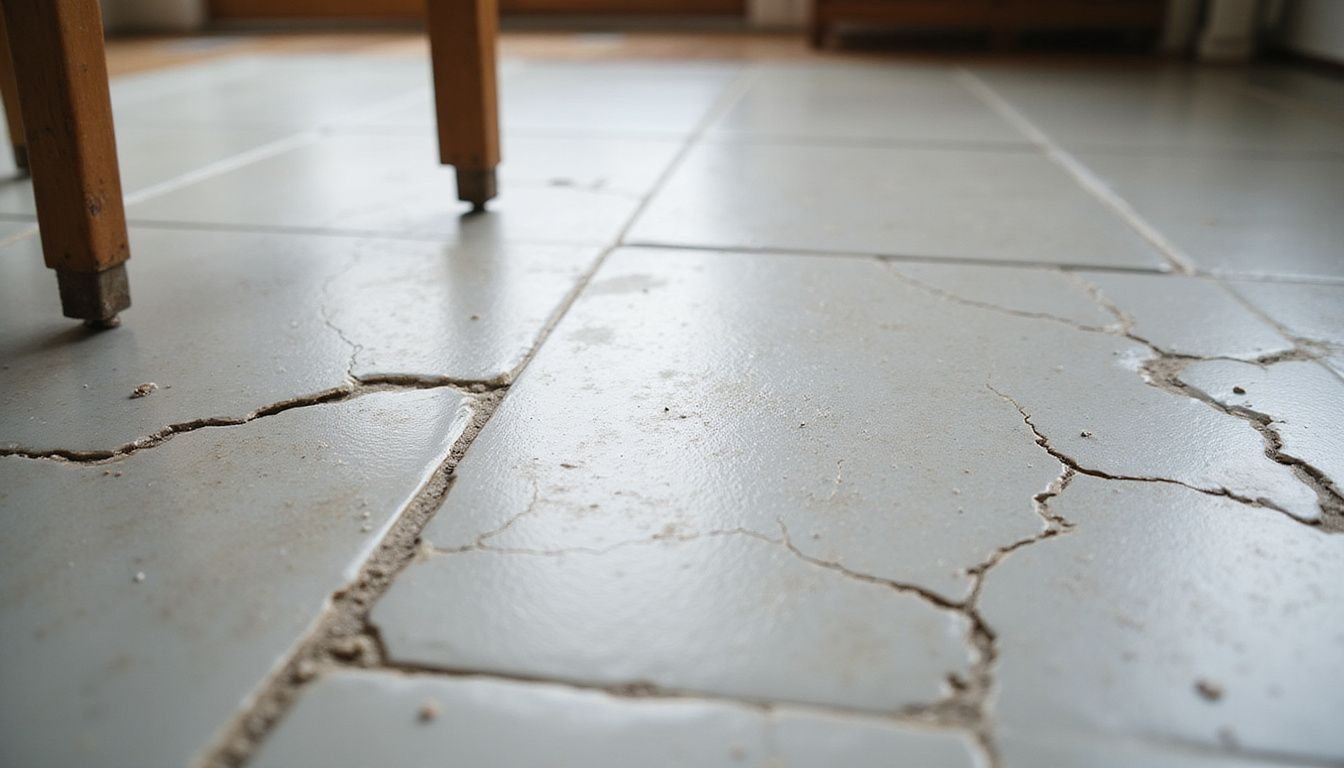
Scratches on floor tiles can come from various sources, such as dropped objects or moving furniture. It’s important to assess the scratches’ severity to choose the best method for repair.
Common causes of scratches
Three main causes damage tile surfaces. Foot traffic grinds grit into the grout and tile and causes floorscratches over time.
Furniture movement drags legs and casters across living room tiles and bedroom tiles, leaving black marks and deep scratches on natural stone tiles and marble tiles. Pet claws score softer surfaces if the Mohs scale ranks them low, while vitrified tiles resist damage better.
Identifying the severity of scratches
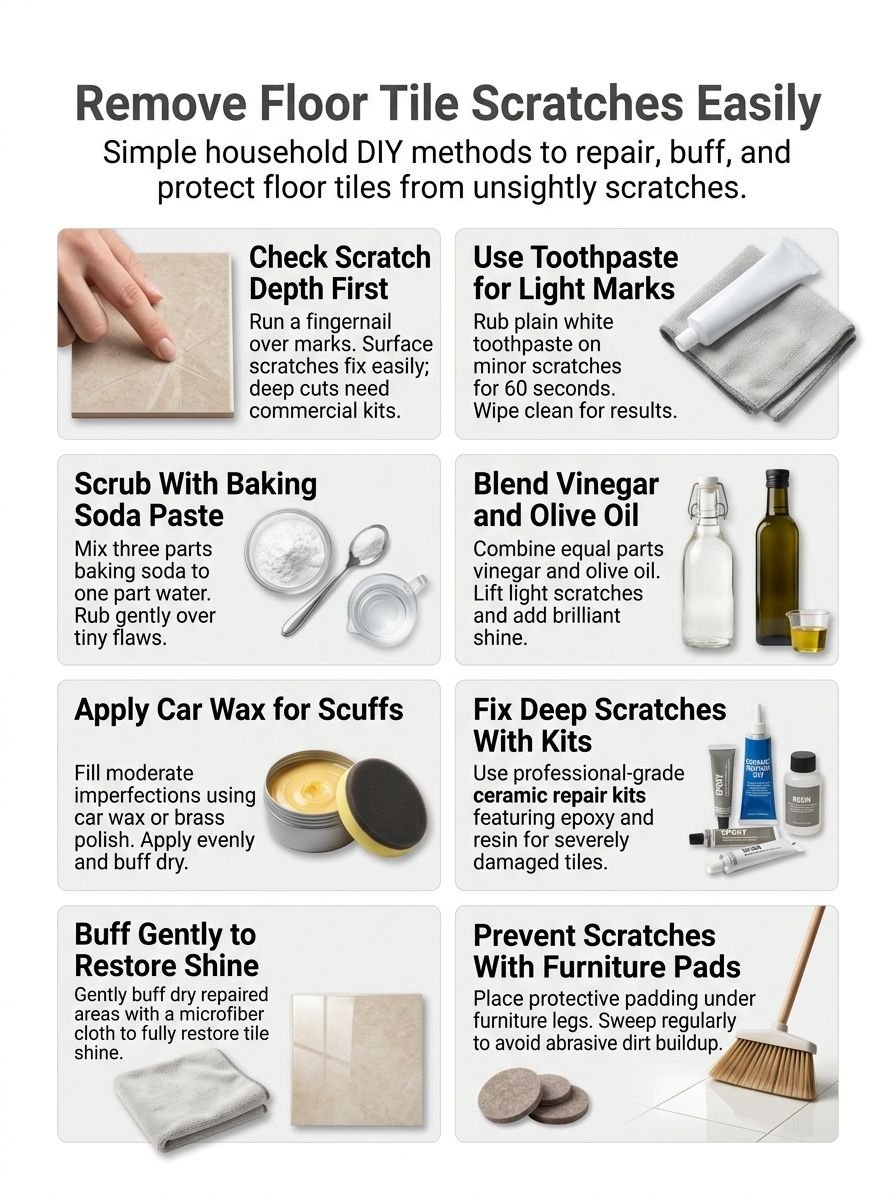
Clean the scratched area first with a soft cloth and a mild cleaning method. Owners should run a fingernail over the mark to check depth. Light scratches on ceramic or porcelain tiles usually sit on the surface.
A baking soda paste, toothpaste, or a polishing compound can remove these surface marks. Video tutorials show the step by step process for many tile floors and wall tiles.
Parents must note deeper cuts sink into the glaze or body of the tile. Such damage often needs a commercial scratch repair kit or a professional grade ceramic tile repair kit. Moderate scuffs may respond to car polish or brass polish before a full repair.
Home improvement guides list product names and demo clips for correct application.
Simple Household Methods for Removing Light Scratches
Light scratches can distract from the beauty of floor tiles. Homeowners can use common items to fix these minor damages easily. Toothpaste offers a quick and gentle solution; it fills in small imperfections effectively.
A simple baking soda paste works wonders too, blending just enough baking soda with water creates a great scrub for those tiny flaws.
Toothpaste method
Toothpaste can remove light scratches on many floor tiles. House owners and parents should clean the area first.
- Use plain white toothpaste as a mild abrasive to tackle light scratches on ceramic or porcelain tiles, not on untreated natural stones.
- Clean the scratched spot with warm water and a mild cleaning solution to remove dirt and tileblackmarks before any treatment.
- Apply a pea sized amount of paste directly on the scratch and rub gently with a soft cleaning pad or soft cloth in small circular motions for 30 to 60 seconds.
- Wipe the area with a damp cloth and dry it to check results; light scratches often fade after a single attempt.
- Buff the treated area with a microfiber cloth or polishing cloth to restore aesthetic appeal and reduce visible scuff lines.
- Note that toothpaste works best on shallow marks and may not change deep gouges found on mosaic tiles, granite tiles, or designer tiles.
- Try the method on a hidden spot first, especially on wooden tiles, natural stones, digital tiles, or anti skid tiles, to test tile types and finish reactions.
- If scratches persist, recommend commercial scratch repair kits or professional-grade ceramic tile repair kits for deeper damage and lasting results.
- Avoid harsh scrubbing that can worsen water stains or strip factory glazes on elevation tiles and outdoor tiles.
- Teach children safe cleaning methods and keep scratch-resistant tiles in mind when planning home improvement or buying from brands like simpolo tiles & bathware or hongjie.
Baking soda paste technique
Baking soda paste offers an effective way to remove light scratches from floor tiles. This simple method uses common household items for quick fixes.
- Mix baking soda with water to form a thick paste. Keep the ratio about three parts baking soda to one part water for optimal results.
- Clean the scratched area before applying the paste. Use a damp cloth to remove dust and debris; this ensures better adhesion.
- Apply the paste directly onto the scratch using your finger or a soft cloth. Make sure to cover the entire scratched surface for even treatment.
- Allow the paste to sit on the scratch for about 10 minutes. This waiting period helps loosen any stubborn marks.
- Buff the area gently with a soft cloth or pad after letting it sit. Use circular motions, applying light pressure; this brings out more shine and minimizes visibility of scratches.
- Rinse the area with clean water to wash away any remaining baking soda residue; ensure no gritty particles remain, as they might scratch tiles further.
- Dry the tiled surface thoroughly using another clean cloth; this prevents any moisture buildup, which can lead to new dirt accumulation.
Using this method helps improve tile appearance without needing expensive tools or chemicals while also saving time in maintenance efforts around the home.
Vinegar and olive oil mixture
Using a vinegar and olive oil mixture can effectively remove light scratches from floor tiles. This simple household method requires minimal effort and utilizes common items many have at home.
- Start by cleaning the scratched area thoroughly to remove dirt and debris. A clean surface ensures better results when applying the mixture.
- Combine equal parts of white vinegar and olive oil in a bowl. This combination helps lift scratches while adding shine.
- Use a soft cloth to apply the mixture directly onto the scratched area. Gently rub the cloth over the scratch in circular motions.
- Allow the mixture to sit for about 5-10 minutes. This wait time lets the ingredients penetrate the scratch.
- Buff the area with a clean, dry soft cloth after letting it sit. This step enhances shine and helps blend any remaining imperfections.
- If needed, repeat the process for deeper or more stubborn scratches until satisfied with the result.
- Be aware that this method works best on light scratches rather than deep ones; consider other techniques for more serious damage.
Incorporating this vinegar and olive oil solution into regular maintenance routines will keep tiles looking fresh and minimize visible wear from everyday use. Homeowners can enjoy a polished appearance without extensive repairs or expensive products, making this DIY method both practical and efficient for scratch removal on floor tiles.
Techniques for Moderate Scratches
For moderate scratches, using brass polish can restore the shine to your tiles. Car wax also works wonders in filling and protecting these imperfections effectively.
Brass polish or car wax application
Brass polish or car wax can effectively address moderate scratches on floor tiles. These products assist in removing scratches while also enhancing the shine of tiles.
- Clean the area around the scratch thoroughly with a mild soap solution. This prepares the surface for application and ensures optimal results.
- Apply brass polish or car wax directly to the scratched area using a soft cloth or applicator pad. This allows even coverage and better adhesion.
- Rub gently in a circular motion to work the product into the scratch. This technique helps fill in minor imperfections and smooths out damages.
- Buff the area with a clean, dry soft cloth after application. This step will restore shine and reveal a smoother finish.
- Use brass polish or car wax as a final touch after using mild abrasives for deeper scratches. Combining methods maximizes effectiveness and improves results.
- Allow the product to sit for several minutes before buffing, which aids in deeper penetration into the scratch.
- Apply these products carefully to avoid damaging tile surfaces; excessive pressure can worsen existing issues.
- Enjoy an enhanced protective layer against future scratches once completed, making maintenance simpler over time.
Using simple household methods like these can significantly improve floor tile appearance while extending their lifespan, making them valuable for home improvement efforts.
Commercial tile scratch repair kits
Commercial tile scratch repair kits offer targeted solutions for homeowners dealing with moderate scratches on floor tiles. These kits often include everything necessary to restore the tile’s appearance.
- Each kit contains specific materials designed for different types of tiles, such as ceramic or porcelain. This ensures that users can effectively treat various surfaces without damaging them further.
- Most kits require cleaning the scratched area thoroughly before application. Removing dirt and grime helps ensure optimal results.
- They often feature mild abrasives or specialized compounds that can effectively eliminate scratches from the surface. Users can apply these products as directed to achieve smooth results.
- Buffing after applying the products in the repair kits enhances the final appearance of the tiles. A gentle rub brings back the shine and hides evidence of scratches.
- Following manufacturer instructions is crucial when using commercial scratch repair kits. Adhering to these guidelines leads to better outcomes and prevents potential damage.
Now that homeowners understand how to tackle moderate scratches, they can explore methods for addressing deeper imperfections in their tiles.
Addressing Deep Scratches
To fix deep scratches on floor tiles, homeowners can use wax or polish. These options cover the blemishes effectively and improve the tile’s shine. For a more lasting solution, they can consider professional-grade ceramic tile repair kits that offer durable results.
Wax and polish for covering deeper scratches
Wax and polish can effectively cover deeper scratches on floor tiles. Cleaning the scratched area is essential before applying any products to achieve a better finish.
- Apply wax directly onto the scratched surface using a clean cloth. Use a generous amount to ensure complete coverage of the scratch.
- Rub the wax into the scratch in a circular motion. This action helps fill in the scratch while blending it with the surrounding tile.
- Choose a polish that suits the type of tile you have for an added layer of shine. Applying polish enhances both appearance and protection against future scratches.
- Buff the area gently with a soft cloth after applying wax or polish. This step smooths out any unevenness, ensuring an even shine across your tiled surface.
- Regularly maintain floors by reapplying wax as needed; this practice can prevent deeper scratches from forming over time.
- Consider professional-grade ceramic tile repair kits for severely damaged areas where standard methods may not suffice.
Following these steps will help house owners keep their tiles looking great while addressing those annoying scratches effectively.
Professional-grade ceramic tile repair kits
Addressing deep scratches requires special tools. Professional-grade ceramic tile repair kits can provide the needed assistance.
- These kits target deep scratches that DIY methods often cannot fix effectively.
- They include specialized materials like epoxy and resin for optimal results.
- Users can find detailed instructions with these kits, which enhance the repair process’s effectiveness.
- Many of these kits come with cleaning solutions designed for pre-repair preparation, ensuring a clean surface before application.
- Investing in high-quality repair kits often prevents further damage, extending the life of floor tiles significantly.
- House owners should apply the products carefully to ensure they achieve the best finish possible on their tiles.
- Using these kits may require some patience, but they deliver professional results at home.
Homeowners will appreciate how easy it is to restore their tiles’ appearance using professional-grade options available in stores or online platforms like Instagram and Facebook. These simple steps offer practical solutions for maintaining beautiful floors while saving time and effort through effective methods like home improvement tips from platforms such as homehacks and everydaycleaningtips.
Tips for Polishing Tiles
To polish tiles effectively, use a soft cloth to buff the surface gently. Apply tile-friendly polishes to enhance shine and protect against future scratches.
Using a soft cloth for buffing
After applying a scratch removal method, using a soft cloth ensures proper buffing. This step enhances the shine and finish of floor tiles.
- A soft cloth or pad works best for buffing floor tiles. It prevents further scratching during the process.
- Allow the area to dry after applying any scratch removal method. Drying prepares the surface for effective buffing.
- Use a clean, dry soft cloth for optimal results. Using an unclean cloth may transfer dirt and defeat the purpose of polishing.
- Buff gently to avoid damaging the tile’s surface. Harsh scrubbing can lead to more scratches rather than removing them.
- Focus on small sections at a time while buffing. This approach helps ensure thorough coverage without missing spots.
- Applying tile-friendly polishes after buffing can enhance appearance. A quality polish can contribute to maintaining the tile’s look for longer.
- Regularly check your cloth’s condition; replace it when worn out or dirty to maintain cleanliness during buffing.
House owners and parents can maximize their tile maintenance with these techniques from CleanWithJie, ensuring beautiful floors that remain scratch-free for years to come.
Applying tile-friendly polishes
Applying tile-friendly polishes can restore the shine and beauty of floor tiles. These products are easy to find and use, making them suitable for any home.
- Choose a polish that specifically mentions its compatibility with ceramic or porcelain tiles. Many commercial brands offer tile-friendly options.
- Clean the tile surface thoroughly before applying any polish. This step removes dirt and debris, ensuring better adhesion.
- Apply the polish in small sections using a soft cloth or applicator pad. Working in small areas allows for easier application and prevents streaks.
- Follow the manufacturer’s instructions regarding drying time. Proper drying ensures optimal results and helps maintain the longevity of the polish.
- Buff the tiles gently after the polish dries completely. Use a clean, dry cloth to bring out the shine and remove any excess product.
- Avoid using excessive amounts of polish, as this can lead to buildup over time. A thin coat provides enough protection without creating residue.
- Reapply polish every few months to keep tiles looking fresh and vibrant. Regular maintenance plays a key role in prolonging tile lifespan.
Homeowners can easily restore their floor tiles’ luster by following these steps with tile-friendly polishes while incorporating smart maintenance tips into their routines.
Preventing Future Scratches
To stop scratches before they start, homeowners can place protective pads under furniture legs. Regularly sweeping or vacuuming helps remove dirt that may scratch tiles over time.
Use protective padding on furniture
Protective padding on furniture helps prevent scratches on floor tiles. Using pads under heavy items reduces the chance of damage during movement. Soft padded feet work best to minimize contact with the ground.
Homeowners should regularly check and replace worn-out padding for maximum effectiveness.
Different types of protective pads, like felt or rubber, suit various furniture styles and floor types. These simple solutions allow homeowners to keep their tiles looking great for years to come while maintaining an inviting home environment.
Regular cleaning to avoid abrasive dirt buildup
Regular cleaning stops dirt from accumulating. Dust and grit can scratch floor tiles over time. Homeowners must sweep or vacuum floors frequently to keep them clean. This simple task prevents abrasive particles from creating unwanted marks.
Cleaning the area first is key before trying any scratch removal methods. A damp mop works wonders for removing stubborn dirt too. A clean surface allows household techniques, like baking soda paste, to be more effective in treating light scratches.
Regular maintenance makes it easier to tackle issues as they arise and helps maintain the tile’s appearance for longer durations. Now that cleaning is addressed, homeowners can explore various methods for removing scratches effectively.
Benefits of Regular Maintenance
Routine upkeep maintains floor tiles in pristine condition. It extends their durability and elevates the home’s overall attractiveness.
Prolonged tile lifespan
Regular maintenance boosts the lifespan of floor tiles. Homeowners can extend tile durability through consistent cleaning and prompt scratch treatment. Mild abrasives, like baking soda, effectively remove light scratches without harming tiles.
Using appropriate methods for different tile types is essential to maintain their condition.
Specialized repair kits are great for deeper scratches, improving overall tile strength. Keeping dirt at bay also helps prevent abrasive buildup on floors. With these simple practices, homeowners will enjoy attractive and long-lasting tiles in their living spaces.
Enhanced aesthetic appeal
Well-maintained floor tiles improve any room’s appearance. Regular cleaning helps keep them free from scratches, enhancing their visual charm. Homeowners who act promptly on minor scratches can restore their tiles’ beauty with simple methods like baking soda or toothpaste.
A polished surface shines brighter and invites compliments. Buffing scratched areas after treatment boosts the finish, making floors look as good as new. Parents will appreciate how these efforts create a welcoming environment for family and guests alike in their homes.
Conclusion
Removing scratches from floor tiles can be simple and effective. Homeowners can use everyday items like baking soda and toothpaste to address light scratches. For deeper damage, specialized kits or polishing compounds work wonders.
Regular care enhances the look of tiles and extends their lifespan significantly. With these straightforward methods, maintaining beautiful floors becomes an easy task for everyone.
FAQs
1. How do I remove light scratches from floor tiles with household items?
Clean the tile with a mild cleaner and dry it. Make a paste of baking soda and water or plain white toothpaste. Test the paste on a hidden spot. Rub the paste into the scratch with a soft cloth in small circles. Rinse and dry. Home improvement stack exchange users often recommend this simple test first.
2. Can I use household polish or wax to hide scratches?
Yes, for surface marks you can use tile polish or floor wax. Clean the tile first. Apply a thin coat and buff with a soft cloth. This only hides the mark. It will not fix deep damage.
3. How do I fix deep scratches or chips with items at home?
Clean and dry the area well. Use a color-matched repair filler or a grout repair kit. Press the filler into the scratch and smooth it with a flat tool. Let the filler dry for the time the product says. Sand lightly if needed. Home improvement stack exchange threads suggest calling a pro for large chips.
4. What should I avoid that can make scratches worse?
Do not use metal pads, hard scrapers, or rough brushes. Do not use strong acids or cleaners with grit. Do not skip a hidden spot test. Use gentle tools and test repair methods first.