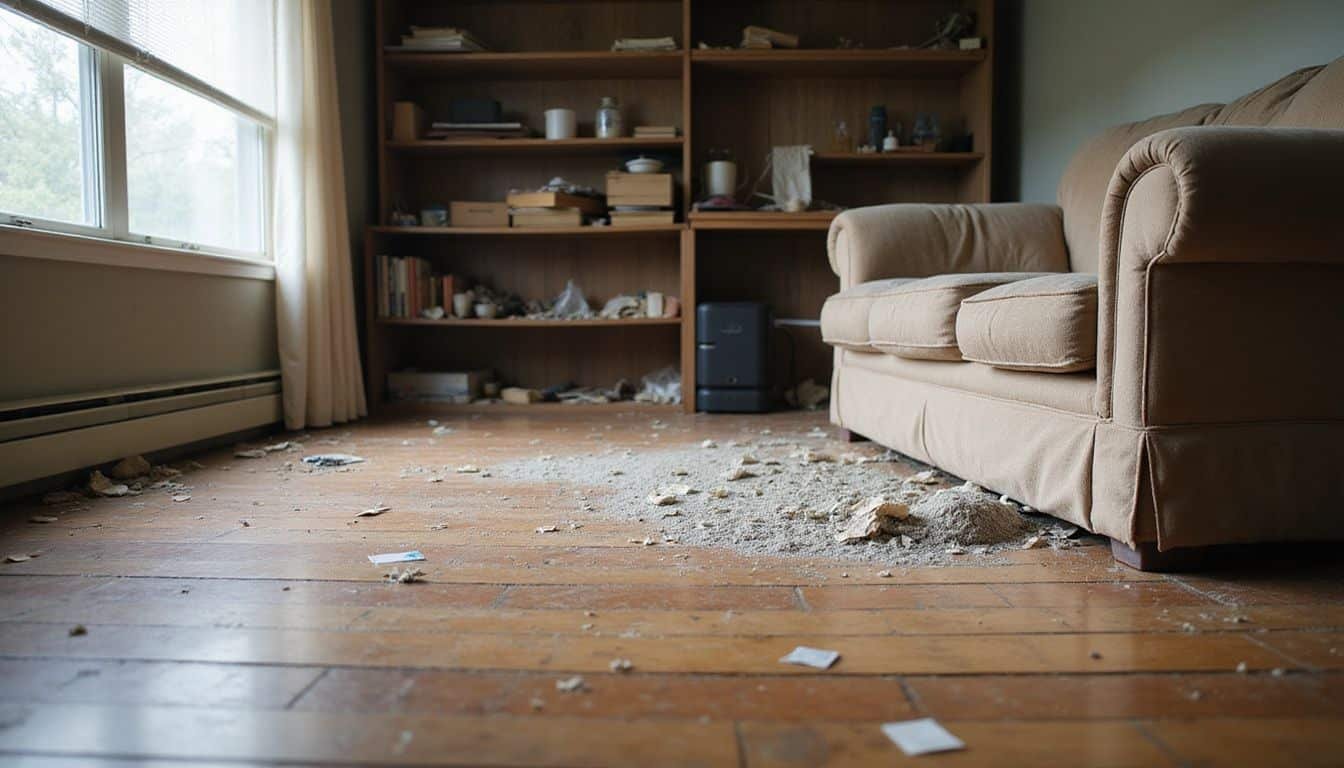
Is your home starting to feel messy no matter how much you clean? Many families and homeowners in Tampa Bay struggle to keep up with chores between work, school, and other activities.
Dirty floors, dusty shelves, and untidy rooms can cause stress for everyone at home.
Studies show that a cleaner house leads to less anxiety and more free time. More people are searching online for “Looking To Schedule Weekly Cleaning Service Tampa Fl” because they want an easy way to keep their homes under control.
This blog will explain why weekly cleaning services are popular in Tampa. Readers will also learn what is included in these services, as well as steps on how to book them quickly. Discover simple ways to enjoy a cleaner home every week.
Why Choose Weekly Cleaning Services in Tampa, FL?

Weekly cleaning services in Tampa, FL provide consistently clean living spaces and save time for what matters most. Professional and reliable service ensures a stress-free experience for house owners and parents.
Consistently Clean Living Spaces
Parents and house owners see real benefits from recurring cleaning in Tampa Bay. Professional cleaners visit each week, ensuring fewer allergens and bacteria linger on surfaces. Consistent home cleanliness reduces stress and can boost family health.
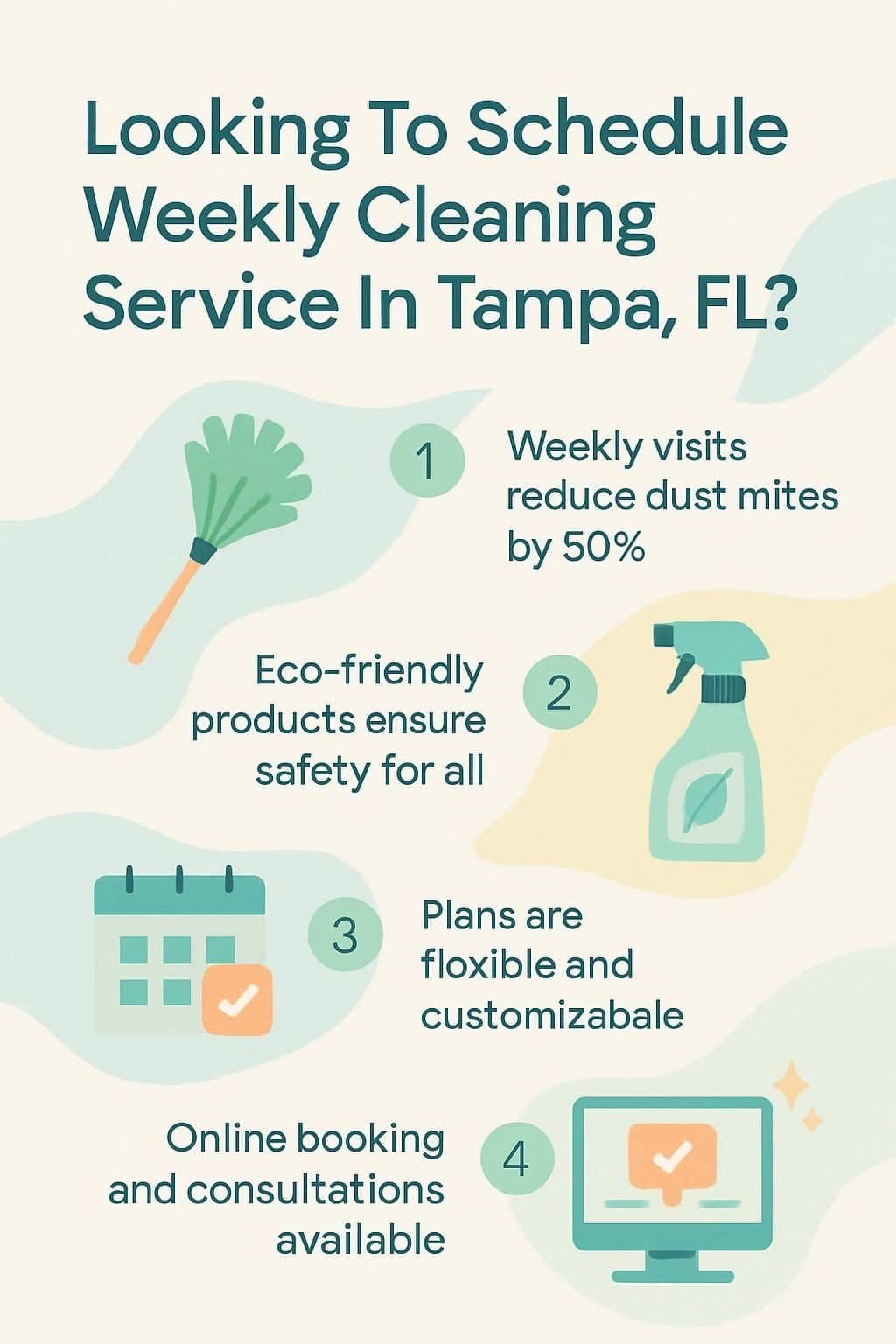
Studies show regular maid services cut dust mites by half, which helps those with allergies or asthma breathe easier.
Kids track dirt inside after school or sports practice, making frequent cleaning essential for busy homes. Housekeeping service keeps clutter at bay and gives parents more peace of mind about their children’s safety.
Maintaining a spotless environment also protects flooring and furniture for years to come. Those interested in more free time will appreciate the next benefit—saving time for what matters most.
Save Time for What Matters Most
House owners and parents in Tampa have busy schedules. Weekly cleaning services help reclaim valuable hours each week. Instead of spending Saturday scrubbing floors, families can use that time for sports practice, homework help, or a relaxing stroll by the bay.
“A clean home creates space for quality moments,” says one Tampa Bay parent who uses residential cleaning services.
Professional cleaners handle dusting, vacuuming, mopping, and more. With expert housekeeping service in place, missed spots and half-finished chores become a thing of the past. Local cleaning services in Tampa make it easier to balance work and family life while keeping your house spotless.
Recurring cleaning means less stress for everyone at home.
Professional and Reliable Service
Professional cleaners deliver dependable housekeeping services Tampa families can count on every week. Teams arrive on time and complete each task with care, making sure homes stay spotless and inviting.
Maid cleaning service Tampa companies train their staff to handle every detail safely and efficiently, so parents never have to worry about missed spots or skipped chores.
Most local cleaning services Tampa carry full insurance for extra peace of mind during every visit. Experienced team members use the right equipment for everything from vacuuming carpets to dusting high shelves in residential cleaning jobs.
Clients can rely on them for recurring cleaning needs, even if they need help with vacation home cleaning or office cleaning services Tampa-wide.
Key Features of Weekly Cleaning Services
Weekly cleaning services in Tampa, FL offer flexible scheduling options to fit your needs and lifestyle. The use of eco-friendly cleaning products ensures a safe and healthy environment for you and your family.
Flexible Scheduling Options
Flexible scheduling options enable the customization of cleaning plans according to specific needs, seamlessly integrating a clean home into one’s schedule. The aim is to cater to lifestyle needs and ensure a refreshing, clean space each time.
Use of Eco-Friendly Cleaning Products
Weekly cleaning services in Tampa, FL offer the advantages of utilizing eco-friendly cleaning products. These products are non-toxic and biodegradable, ensuring a safer environment for both families and the planet.
By including eco-friendly solutions, these services align with the growing demand for sustainable practices in everyday life. The use of these products demonstrates a commitment to health and well-being while also contributing to reducing environmental impact.
The availability of eco-friendly cleaning products reflects an understanding of the importance of minimizing chemicals used within living spaces, especially in homes where children or pets are present.
House owners can be confident that professional cleaners utilize these environmentally friendly options without compromising on cleanliness and hygiene standards; it’s a win-win situation for maintaining a healthy home ecosystem.
Furthermore, choosing eco-friendly cleaning services promotes awareness and responsible decision-making towards greener living practices. It opens up opportunities for households to actively participate in preserving nature while enjoying a pristine living space.
This approach emphasizes not only practicality but also serves as an investment towards sustainable communities—an essential consideration amidst increasingly pressing global environmental concerns.
Customized Cleaning Plans
Switching from the use of eco-friendly cleaning products, homeowners and parents in Tampa can benefit from personalized cleaning plans tailored to their specific needs. These plans are crafted to improve the overall cleanliness and hygiene of living spaces through individualized strategies that cater to individual requirements.
By including a comprehensive assessment, professional cleaners ensure that every aspect of the cleaning regimen is carefully aligned with the client’s preferences.
With personalized cleaning plans, clients have the freedom to specify areas of focus, such as high-traffic zones or particular rooms needing more attention. This approach not only guarantees a consistently clean living environment but also provides peace of mind for busy households in Tampa Bay.
What’s Included in Weekly Cleaning Services?
Weekly cleaning services include comprehensive kitchen and bathroom cleaning, thorough dusting and vacuuming, as well as floor mopping and general tidying to maintain a consistently clean living space.
Discover more about the benefits of professional cleaning services for your home in Tampa, FL.
Kitchen and Bathroom Cleaning
Weekly cleaning services in Tampa, FL offer comprehensive kitchen and bathroom cleaning, addressing tough grease and grime to ensure immaculate, hygienic kitchens. Professional cleaners meticulously clean countertops, sinks, appliances, and floors using eco-friendly products to foster a safe environment.
Bathroom cleaning involves scrubbing and sanitizing surfaces, disinfecting fixtures, deodorizing spaces, and ensuring mirrors shine – leaving no corner untouched. These services are customized to provide a revitalized space where families can enjoy cooking meals together or unwind with tranquil baths after long days.
For busy homeowners and parents in Tampa Bay seeking more than basic tidying up of their home’s essential areas, recurring cleaning services offer an ideal solution. Experienced professionals from residential cleaning companies in Tampa Bay handle intricate tasks like kitchen degreasing and bathroom sterilization, using eco-conscious practices and paying meticulous attention to create fresher living spaces while minimizing environmental impact.
Dusting and Vacuuming
Shifting from kitchen and bathroom cleaning, the weekly cleaning service also encompasses comprehensive dusting and vacuuming to ensure a pristine living environment for families in Tampa Bay.
Professional cleaners diligently eliminate dust from furniture, ceilings, and fixtures, maintaining a clean and healthy indoor atmosphere. Using advanced vacuums equipped with HEPA filters, the service effectively eradicates dirt, allergens, and pet dander from carpets and challenging-to-reach areas.
The team uses environmentally friendly cleaning products to preserve indoor air quality while efficiently addressing dirt and debris. By providing this all-encompassing approach to dusting and vacuuming, residents can relish an immaculate home without compromising their family’s health or the environment.
Floor Mopping and General Tidying
Weekly cleaning services in Tampa, FL consist of thorough floor mopping and general tidying. Professional cleaners use high-quality equipment and effective eco-friendly cleaning products to ensure pristine floors free from dirt, dust, and grime.
They carefully vacuum carpets, sweep hard surfaces, and mop floors to maintain a fresh and tidy living environment for house owners and parents. Moreover, the service incorporates overall tidying to declutter spaces, ensuring every room is neat and organized—an essential aspect of creating a welcoming home for families in Tampa Bay.
The weekly cleaning plan ensures immaculate outcomes through comprehensive kitchen and bathroom cleaning as well as diligent dusting; these are essential elements that contribute to maintaining a healthy living space for residents.
With customized plans tailored to individual needs, busy parents can enjoy an impeccably clean home while focusing on their family’s well-being without worrying about the challenges of household chores or the evolving demands of daily life in this thriving community.
How to Book Weekly Cleaning Services in Tampa, FL
To book weekly cleaning services in Tampa, FL, simply visit the website to schedule a personalized consultation and choose from flexible scheduling options. After selecting your preferences, the online platform will guide you through the process of securing professional and reliable maid services for your residential or commercial space.
Online Scheduling Made Easy
Online scheduling for weekly cleaning services in Tampa, FL is effortless with the user-friendly platform. House owners and parents can easily access and book recurring cleaning appointments with just a few clicks.
The intuitive interface allows for customizing cleaning plans according to specific requirements, ensuring that each space receives personalized attention. Furthermore, the system provides transparent availability, ensuring prompt service alignment with personal schedules.
Assisted by this streamlined process, users can quickly select preferred time slots and seamlessly manage their recurring appointments. In addition, the option to input specialized requests or preferences addresses individual needs effectively.
As a result, busy house owners and parents gain greater control over maintaining pristine living spaces while alleviating the challenges of scheduling. This convenient solution fits seamlessly with modern lifestyles, optimizing convenience and guaranteeing consistent cleanliness.
Next Step: Personalized Consultation for Your Needs
Personalized Consultation for Your Needs
To ensure that each client receives a personalized cleaning plan, the consultation process begins with an in-depth discussion of specific requirements. This may include the frequency of visits, areas of focus, and any special instructions or concerns.
The professional cleaners pay close attention to these details to create a custom checklist that aligns with the client’s preferences. By including the customer’s input into the planning phase, it guarantees that their expectations are not just met but exceeded, fostering a sense of confidence in the service provided.
Moreover, during this consultation stage, there is an opportunity for clients to explore more than just cleaning services; additional household tasks can be discussed and arranged if needed.
This includes laundry services or organizing specific areas within the home, ensuring a truly comprehensive approach. The individualized approach towards each client supports a commitment to meeting diverse needs while maintaining high standards throughout every visit.
With personalized consultations available for every homeowner in the Tampa Bay area, this ensures a firsthand experience of exceptional service delivery.
Conclusion
Weekly cleaning services in Tampa, FL provide an effective solution for maintaining a consistently clean living space without compromising valuable time. With flexible scheduling and eco-friendly products, professional cleaners guarantee a personalized approach focusing on the client’s needs.
By booking online or through personalized consultations, homeowners can easily secure dependable and tailored cleaning plans. In the end, opting for weekly cleaning services in Tampa offers peace of mind and enables families to relish their homes without the strain of constant upkeep.
FAQs
1. What are the benefits of scheduling a weekly cleaning service in Tampa, FL?
Scheduling a weekly cleaning service in Tampa, FL offers consistent cleanliness for your home or office. It saves you time and ensures that your space remains tidy and organized.
2. How do I choose the right cleaning service provider in Tampa?
To choose the right cleaning service provider in Tampa, research online reviews and ask for recommendations from friends or family. Look for companies that offer flexible schedules and customized services to meet your needs.
3. What should I expect during my first cleaning appointment?
During your first appointment, the cleaners will assess your space and discuss specific requirements with you. They will likely focus on high-traffic areas while establishing a routine based on your preferences.
4. Are there any contracts involved when scheduling a weekly cleaning service?
Many cleaning services offer flexible options without long-term contracts in Tampa, FL. However, some may have agreements detailing terms like cancellation policies or payment methods; always read these carefully before committing.