
Construction projects leave behind more than just a new space. Homeowners often face a mess of construction dust, stuck-on paint overspray, and debris removal that can feel difficult to manage.
Many find it challenging to keep their families safe when leftover hazards like sharp objects or chemical spills remain after the work is done.
One fact stands out: proper use of personal protective equipment (PPE) such as hard hats, safety glasses, gloves, and masks is essential for worker safety in post-construction cleaning.
This protects workers and anyone entering the cleaned area.
This blog provides practical Tips For Construction Cleaning Services that make cleanup easier and safer. Readers will get clear steps on waste management, surface cleaning, window washing, indoor air quality control, and using tools like HEPA shop vacuums or microfiber cloths for effective results.
Continue reading to see how efficient cleaning can be achieved with the right plan.
Key Takeaways
- Personal Protective Equipment (PPE) like hard hats, safety glasses, gloves, and masks is vital for worker safety in post-construction cleaning. Following OSHA guidelines helps prevent accidents.
- Strategic planning with a site-specific cleaning plan improves efficiency. Coordination with the construction team ensures all areas get proper attention and reduces missed spots or hazards.
- Phased cleaning—rough (debris removal), light (dusting and wiping), then final polishing—makes the process manageable and thorough for every project.
- Using tools such as HEPA vacuums removes fine dust effectively. Microfiber cloths help trap dirt on surfaces without scratching them.
- Sustainable practices, like recycling debris and using eco-friendly cleaners, save money over time. These steps also reduce harm to the environment after construction projects.
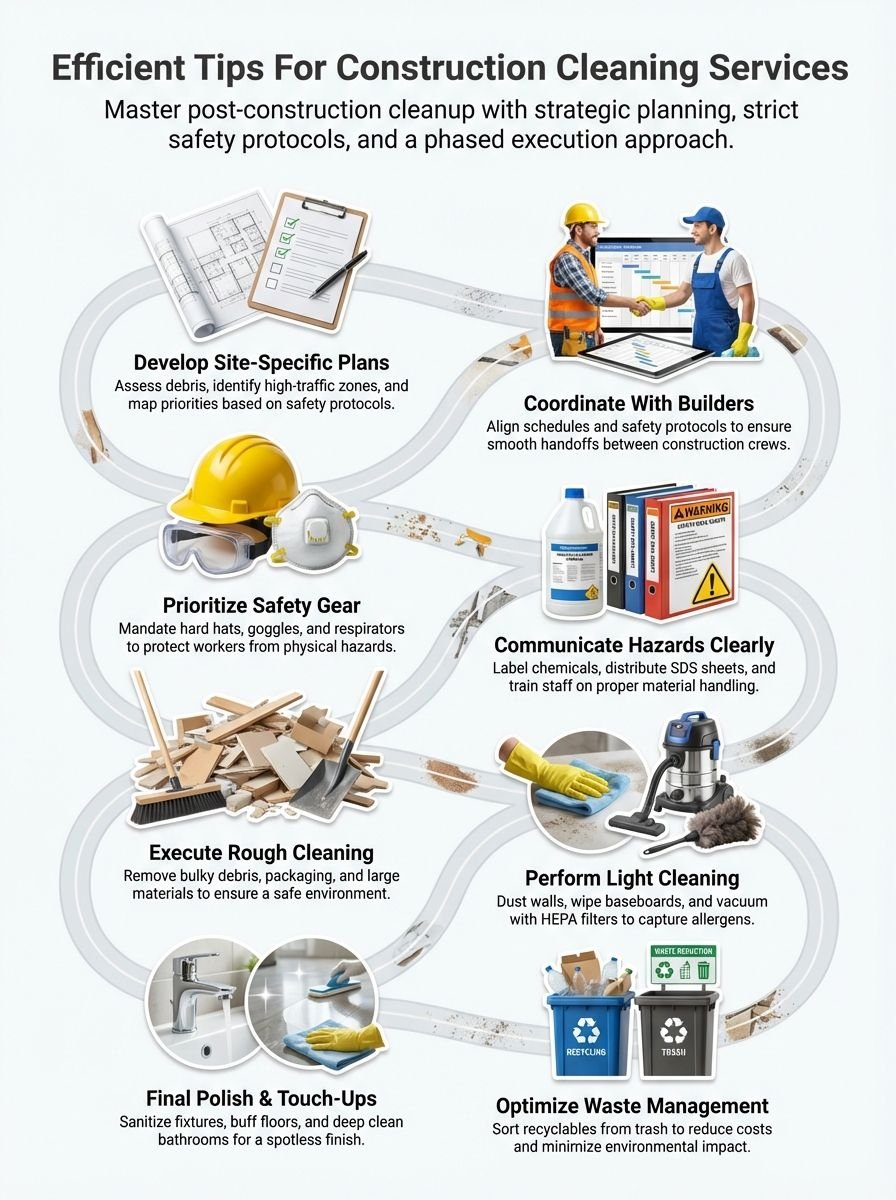
Strategic Planning for Construction Cleaning
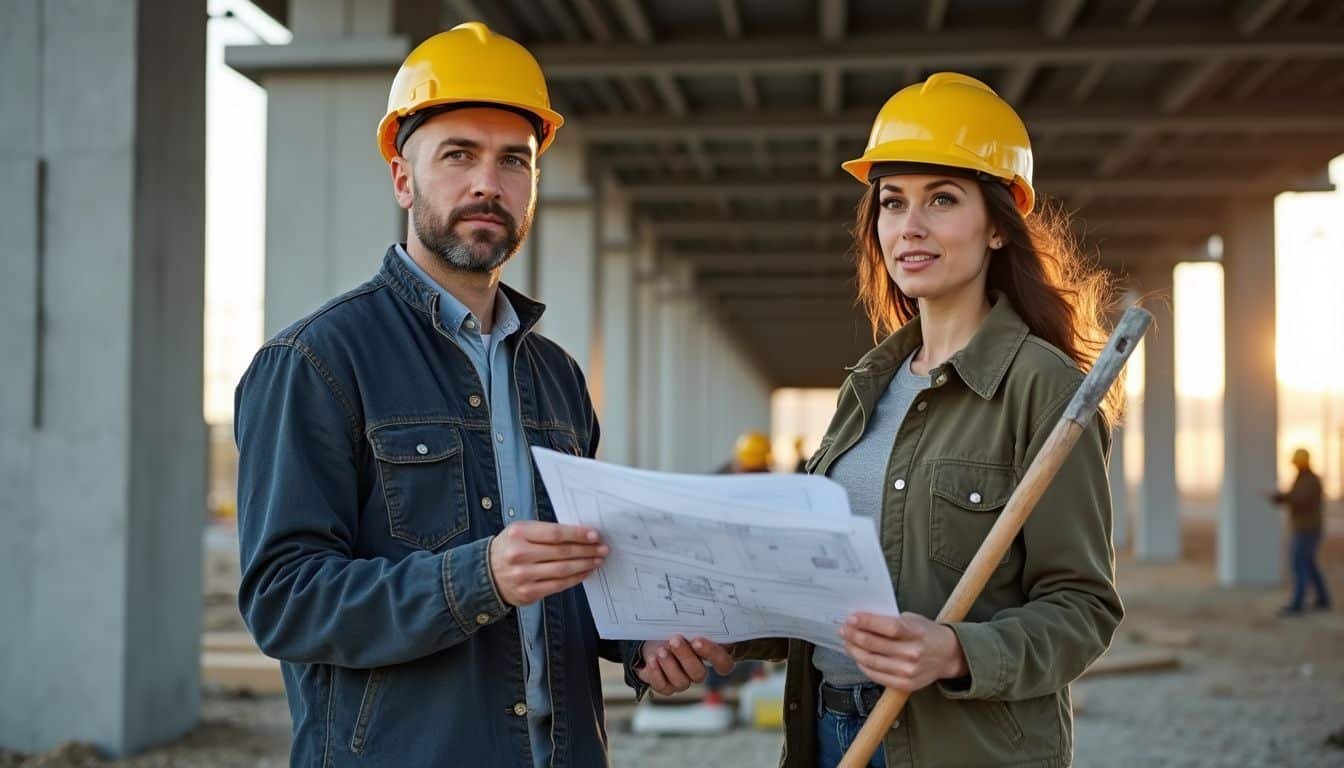
Effective planning is key for construction cleaning services. A site-specific cleaning plan helps ensure that every area receives attention while working closely with the construction team enhances coordination.
Develop a site-specific cleaning plan
Construction cleaning needs a plan that fits each project. Start with an assessment of the site’s debris, construction dust, and any hazardous material. Identify areas like kitchens, bathrooms, and high-traffic zones for special attention such as surface cleaning or mold remediation.
Decide if you need power washing outside or air duct cleaning for better ventilation and indoor air quality.
Work with the construction manager to map out priorities based on safety protocols and project timelines. Use HEPA vacuums for dust removal in sensitive spaces like HVAC systems or carpets.
Set clear tasks: who does debris removal first; who handles window cleaning; when do professionals bring in floor scrubbers for clean carpets? Always check that everyone wears personal protective equipment (PPE) such as rubber gloves and protective clothing outlined by OSHA guidelines during waste disposal or while using strong cleaning chemicals.
This approach keeps the site safe while making interior and exterior spaces shine without missing key steps or areas prone to particles buildup.
Coordinate with the construction team
Clear communication with the construction team ensures post-construction cleaning moves smoothly. Work directly with project managers and supervisors to develop a site-specific cleaning plan that includes debris removal, surface cleaning, and window cleaning schedules.
Share daily updates to spot delays or hazards early. Involve builders in waste management strategies to separate recyclables from general trash, helping reduce both costs and environmental impact.
Align safety protocols such as personal protective equipment (PPE) requirements before starting any task. Confirm everyone knows how to handle hazardous materials by sharing information from Safety Data Sheets (SDS) and following Occupational Safety and Health Administration rules.
During each phase of interior cleaning, from dust removal after rough work to final polishing of countertops or kitchen areas, coordinate steps for efficient handoffs between crews.
This team approach improves cleanliness standards while preventing paint overspray or leftover construction dust throughout the building process.
Safety Protocols
Safety protocols play a crucial role in construction cleaning. Workers should wear appropriate Personal Protective Equipment (PPE) to guard against hazards like dust and chemicals.
Use proper Personal Protective Equipment (PPE)
Safety gear is crucial for anyone involved in post-construction cleaning. It protects workers from various hazards like construction debris and chemical exposure. Here’s a guide on the essential personal protective equipment needed for construction cleaning services.
- Hard hats protect the head from falling objects at the construction site, ensuring that workers avoid potential injuries from debris.
- Safety goggles shield the eyes from harmful particles and liquids, preventing irritation or damage during dust removal or when using cleaning chemicals.
- Gloves designed for handling chemicals keep hands safe from irritants and burns, especially important during interior and exterior cleaning.
- Dust masks or respirators filter out airborne particles, providing clean air to breathe in dusty environments or while dealing with construction dust.
- Steel-toe boots defend feet against injury from heavy materials, crucial for moving large debris during cleanup.
- Ear protection, such as earplugs, helps prevent hearing damage in noisy areas, where machines like pressure washers or power washing equipment are in use.
Training on how to properly wear and use these items is vital. Workers learn to handle hazardous materials safely and operate cleaning equipment without risks. This education covers everything from understanding hazard communication strategies to knowing which PPE is right for specific tasks like window cleaning, surface cleaning, or professional carpet cleaning. Ensuring everyone on a cleaning team knows how to protect themselves reduces accidents and increases efficiency on the job.
Implement hazard communication strategies
Hazard communication strategies play a vital role in maintaining safety on construction sites. They ensure that everyone understands the risks and how to avoid them.
- Clearly label all cleaning chemicals. Labels inform workers about potential hazards and precautions needed for safe use.
- Distribute safety data sheets (SDS) for each chemical used. These documents provide essential details about handling, storage, and emergency measures related to the cleaning agents.
- Train staff on proper use of personal protective equipment (PPE). Ensuring workers understand how to wear gloves, masks, and goggles effectively reduces exposure to harmful substances.
- Use visual aids like warning signs around the site. These reminders can alert workers to areas with construction dust or dangerous chemicals present.
- Conduct regular meetings to discuss safety protocols. Frequent communication keeps everyone informed about updates and reinforces the importance of hazard awareness.
- Implement a system for reporting unsafe conditions or incidents. Encourage employees to speak up about potential risks so that immediate action can be taken.
- Ensure compliance with OSHA regulations regarding hazardous materials. Following these guidelines protects both workers and bystanders from potential harm.
The next section will delve into a phased cleaning approach, providing insights on how to tackle various levels of cleanup effectively.
Phased Cleaning Approach
A phased cleaning approach streamlines the post-construction cleaning process. It starts with rough cleaning, where crews remove construction debris and bulky items. Next comes light cleaning, which involves dusting and wiping surfaces to prepare for the final touches.
The last phase focuses on polishing areas for a complete shine and ensuring everything is spotless. This method ensures thoroughness while making the job more manageable.
Rough cleaning: Remove debris and large materials
Rough cleaning includes removing debris and large materials from the construction site. This step ensures a safe environment for workers and allows more thorough cleaning later. Workers need to clear out packaging, leftover construction materials, and any bulky items that can hinder progress.
HEPA filter shop vacuums help capture dust effectively, keeping the air clean.
Using reusable microfiber cloths aids in gathering small particles during this phase. Proper Personal Protective Equipment (PPE), such as hard hats and safety glasses, should always be worn to minimize risk while working on-site.
Communication with the construction team enhances efficiency during this process.
Light cleaning: Dusting and wiping surfaces
Dusting and wiping surfaces keeps homes clean and fresh. Use microfiber cloths to trap dust on walls, baseboards, light fixtures, and vents. This tool captures more particles compared to regular rags.
For hard surfaces like counters and cabinets, choose appropriate cleaners that safely lift dirt without damaging the material.
Focus on carpets and hard floors too. A thorough vacuuming complements light cleaning tasks effectively. Pay special attention to bathrooms and kitchens; sanitizing these areas is essential for health.
Incorporate HEPA filter shop vacuums for better dust removal as well; they help reduce allergens in the air. Select specialized cleaning agents for effective surface maintenance throughout the home.
Final cleaning: Polishing and touch-ups
After the main cleaning steps, focus on final touches. This phase includes polishing and touch-ups in key areas like bathrooms and kitchens. Thoroughly sanitize fixtures and surfaces for a spotless appearance.
Using microfiber cloths enhances the effectiveness of cleaning solutions. Steam cleaners can remove stubborn spots while floor buffers bring out shine on hard surfaces. Proper communication with the team ensures all areas receive attention.
A well-coordinated effort results in a polished finish that impresses homeowners and parents alike.
Key Tools and Equipment
Professional cleaning services rely on essential tools to tackle construction clean-up effectively. HEPA vacuums capture fine dust and debris, while steam cleaners sanitize surfaces without harsh chemicals.
Microfiber cloths assist in surface cleaning by trapping dirt, making tasks quicker and more efficient. The right cleaning agents boost the effectiveness of their efforts, ensuring every corner shines after the work is done.
HEPA vacuums and steam cleaners
HEPA vacuums are essential for post-construction cleaning. They capture fine dust and allergens, ensuring a cleaner environment. Homeowners often face challenges with construction debris and dust removal after renovations.
Using HEPA filter shop vacuums simplifies this task.
Steam cleaners also play a key role in construction cleaning. These machines offer deep cleaning for floors and grout, removing stubborn stains like paint overspray or dirt buildup.
Their high-temperature steam effectively sanitizes surfaces, making them ideal for kitchen cleaning or bathroom touch-ups. Together, HEPA vacuums and steam cleaners improve cleanliness during the final stages of any project.
Microfiber cloths and specialized cleaning agents
Microfiber cloths excel in dusting surfaces like walls, baseboards, and light fixtures. Using a sufficient quantity of these reusable cloths makes post-construction cleaning efficient.
They trap dust and dirt effectively without scratching delicate surfaces. For window cleaning, pairing microfiber cloths with squeegees ensures a streak-free finish.
Specialized cleaning agents play a critical role as well. Multi-purpose cleaners tackle various stains; glass cleaner provides shine to windows; paint remover helps eliminate overspray; degreasers cut through tough grime, and disinfectants keep areas sanitary.
Using the right tools enhances the effectiveness of construction site cleanliness efforts. Following safety protocols ensures workers stay protected during the cleanup process.
Sustainable and Cost-Effective Practices
Efficient waste management saves time and money on construction cleaning jobs. Using eco-friendly materials reduces environmental impact and provides a better return on investment for homeowners.
Efficient waste management and recycling
Effective waste management starts with clear sorting. Construction sites generate different types of debris like wood, metal, and drywall. Each material requires proper disposal methods.
Install recycling bins to collect materials for reuse. This practice reduces landfill waste and promotes eco-friendly habits.
Using HEPA vacuums helps control construction dust during clean-up. They capture fine particles that standard vacuums miss, improving air quality at home. In addition, employing power washing techniques cleans surfaces thoroughly while minimizing the need for intense scrubbing chemicals.
House owners can save money through these sustainable practices by reusing materials and reducing cleaning costs over time.
Labor and resource optimization
Labor and resource optimization enhances efficiency on construction cleaning jobs. A site-specific cleaning plan helps target key areas, reducing unnecessary resource waste. By coordinating effectively with the construction team, workers can tackle critical cleanup tasks first.
They should focus on large debris removal before shifting to detailed surface cleaning.
Staff training plays a crucial role in this process. Proper training ensures workers handle hazardous materials safely, improving productivity while maintaining compliance with safety protocols.
Utilizing tools like HEPA vacuums and microfiber cloths maximizes the effectiveness of cleaning efforts. This approach creates a productive workspace for everyone involved in post-construction cleaning services.
Conclusion
Efficient construction cleaning services play a crucial role in project success. Proper planning and communication ensure everyone stays safe on site. Using the right tools, like HEPA vacuums and specialized cleaners, makes the process effective.
Following safety protocols protects workers while they tackle dust and debris removal. With these tips, families can enjoy pristine spaces once construction ends.
FAQs
1. What are the best ways to control construction dust and debris removal on site?
Use wet/dry vacuums and shop vacs for dust removal. Sweep up loose construction debris often. Use high efficiency particulate air filters for better air quality. Recycle materials when possible to cut waste.
2. How do professional cleaning services handle paint overspray and surface cleaning?
Professional teams use safe cleaning chemicals designed for tough stains like paint overspray. They mop, scrub, or wipe surfaces using proper solutions that match each material.
3. Why is personal protective equipment important during post-construction cleaning?
Personal protective equipment such as gloves, masks, and eye protection keeps workers safe from chemical exposure and sharp objects left behind after building work.
4. How does pressure washing support exterior cleaning in construction projects?
Pressure washing or power washing removes stuck-on grime from walls or sidewalks fast; it saves time compared to manual scrubbing while reducing water consumption with modern technology.
5. What safety protocols should a crew follow during kitchen or interior cleaning jobs?
Crews must complete safety training about Occupational Safety and Health Administration rules before starting any job inside kitchens or living spaces; they also check datasheets for every product used to ensure chemical safety compliance.
6. Are eco friendly practices part of efficient construction cleanup today?
Many companies now choose environmental friendly products; they track energy efficiency, recycle more waste, reduce overhead costs through smart project management strategies, meet regulatory compliance standards set by agencies like OSHA, and gain competitive advantage in the market through sustainable methods found at servpro.com or similar sources.