Category: House Cleaning

  • How To Organize Kitchen Cabinets Like A Pro: Top Tips

    How To Organize Kitchen Cabinets Like A Pro: Top Tips

    Many people want to know how to organize kitchen cabinets because clutter and chaos make cooking stressful. Piled-up pots and pans, mixed-up silverware, and hard-to-reach food storage can waste time every day.

    A messy kitchen cabinet turns meal prep into a big chore.

    Most experts agree that the first step in kitchen organization is cleaning out cabinets and removing items you do not use. This simple move makes it easier to see what you have. It also helps you plan better zones for cookware, bakeware, pantry goods, tableware, and utensils.

    This blog will show clear steps on how to organize kitchen cabinets like a pro. You will learn about smart tools such as shelf risers, lazy Susans, drawer dividers, airtight containers, racks for lids or mugs; plus tips for grouping items by use near your stove or prep area.

    See easy ways parents and homeowners can keep their kitchens neat for good.

    Clear ideas are ahead—keep reading if a tidy kitchen sounds great!

    Key Takeaways

    • Remove everything from your kitchen cabinets before you start. Toss duplicates, broken tools, and unused gadgets to create more space.
    • Group similar items together for easy access. Keep daily-use dishes in lower cabinets near the dishwasher and place rarely used cookware on higher shelves.
    • Use organizers like shelf risers and lazy Susans to double storage space. Add drawer dividers for utensils and racks or hooks for mugs and lids.
    • Place heavy pots and pans on lower shelves to prevent accidents. Always keep frequently used items within arm’s reach to save time while cooking.
    • Clean cabinet interiors fully before refilling them. Use liners to protect surfaces and wipe down tight corners so your kitchen stays fresh longer.

    How To Organize Kitchen Cabinets Like A Pro: Top Tips

    Declutter and Clean

    A polished oak kitchen cabinet displays neatly arranged dishes and jars.

    Start by removing everything from the cabinets. Clear out duplicates, broken items, and things you no longer use. Then scrub down the inside of your cabinets until they shine. This process creates a clean slate for better organization.

    Remove all items from cabinets

    Pull every dish, pot, pan, spice jar, and gadget out of the kitchen cabinets. Place everything on the kitchen counter or table for a clear view. This step sets up proper kitchen organization and makes it easy to spot clutter or broken items hiding in the back.

    House owners often find forgotten cookware and bakeware or even expired pantry goods mixed with pasta boxes or old cookie sheets.

    Emptying your cabinets fully helps you tackle kitchen decluttering head-on. Experts recommend this as the first move before any deep clean since dirt hides behind items that never get moved.

    Removing all contents also allows parents to sort through knives, utensils like cooking spoons, cast-iron skillet lids, muffin tins, airtight containers, and more. Once empty, each cabinet stands ready for a solid wipe-down before you continue with organizing solutions such as shelf risers or lazy Susans for better storage later on.

    Discard duplicates and unused items

    Many kitchens end up crowded because of duplicate dishes, cooking utensils, or old gadgets. House owners often keep extra spatulas, unused Victorinox knives, or chipped mugs in their kitchen cabinets without realizing it takes up valuable kitchen storage.

    Removing duplicates helps reduce clutter and opens up more space for essential tools like a chef’s knife or cast iron skillets.

    Unused items hide in the back of pantry shelves or drawers for months. Studies show that people typically use only 20 percent of their stored kitchenware regularly while the rest sits untouched.

    Toss outdated food containers and let go of gadgets you have not used in six months. Donate cookware if it is still usable but not needed. Make more room for efficient pantry organization with airtight containers and drawer dividers by clearing out these extras from your cabinet interiors.

    Deep clean cabinet interiors

    After discarding duplicates and unused items, continue to deep clean your kitchen cabinet interiors. Empty every cabinet to remove all crumbs, dust, or sticky spills that may collect over time.

    Use a gentle cleaner and a soft sponge to sanitize each surface. Pay close attention to corners and tight spots where grime can hide.

    Allow the interiors to dry fully before you return anything inside. This step helps prevent mold or odors from building up in your kitchen cabinets. Place a protective liner at the base for extra cleanliness and easy maintenance during future kitchen organization efforts.

    Homeowners who follow this process help extend the life of their cabinetry while improving kitchen storage hygiene.

    Categorize and Group Items

    Grouping kitchen items makes everyday cooking easier. Organize dishes, pots, and spices together for quick access. Store baking sheets with pans in one spot to save time while preparing meals.

    Keep frequently used utensils nearby, so they’re always within reach during meal prep.

    Group similar items together (e.g., dishes, cookware, spices)

    Homeowners can optimize their kitchen organization by grouping similar items together. Place dishware, such as plates and glasses, near the dishwasher and sink for easy access. Store cookware like pots and pans close to the stove to make cooking quicker.

    Keep food storage containers next to lunch packing areas for convenience.

    Spices and baking essentials should remain near prep zones to save time during meal preparation. Utilize bins or lazy Susans to neatly organize smaller items within cabinets. Labeling these bins helps everyone find what they need quickly.

    This method establishes designated zones in the kitchen, improving overall efficiency.

    Separate daily-use items from rarely used ones

    Grouping similar items together helps create a foundation for organization. After the grouping, focus on separating daily-use items from rarely used ones. Store frequently used dishware, like plates and glasses, at the front or on lower shelves.

    This arrangement makes it easy to grab what is needed during meal prep or clean-up. Position these items near the dishwasher or sink for efficient unloading.

    Keep rarely used items, such as holiday platters and specialty cookware, on higher shelves that are harder to reach. By doing this, homeowners can free up valuable kitchen space while keeping essential tools handy.

    Employing airtight containers for pantry goods also contributes to an organized look while ensuring quality storage of ingredients you use less often.

    Zone Your Kitchen for Efficiency

    Zone your kitchen to boost efficiency. Place dishware close to the dishwasher for easy unloading. Store pots and pans near the stove for quick access while cooking. Keep pantry items near prep areas to streamline meal preparation.

    This simple setup helps streamline your kitchen tasks, making cooking and clean-up a breeze.

    Place dishware near the dishwasher

    Positioning plates, bowls, and glasses near the dishwasher boosts efficiency in the kitchen. House owners benefit from quick unloading during meal prep and cleanup. An organized space saves time and reduces clutter.

    Having dishware close to the sink streamlines washing and drying tasks as well.

    Storing dishware within arm’s reach also keeps things tidy. It encourages family members to help with chores since everything is easily accessible. This simple adjustment enhances kitchen organization and creates a more functional cooking environment for busy parents and homeowners alike.

    Store cookware near the stove

    Store pots, pans, and cooking utensils close to the stove. This arrangement allows for easy access during meal preparation. When cookware is nearby, cooks can grab what they need quickly.

    This reduces movement and saves valuable time while cooking.

    Keeping frequently used items within reach creates an organized cooking space. A well-placed pot rack or drawer can hold essential tools right by the stove. By following this layout, homeowners support a smooth workflow in their kitchen.

    Quick meal preparation becomes easier with the right setup in place; every item needed sits just an arm’s length away.

    Keep pantry goods and spices near prep areas

    Keep spices and pantry essentials close to food preparation areas. Group these items together for easy access during cooking. This setup reduces time spent searching for ingredients, enhancing meal prep efficiency.

    Place frequently used pantry goods nearby to further streamline the process.

    Designate a specific spot for spices within arm’s reach of cooking surfaces. Use clear containers or labeled jars to simplify identification during busy times in the kitchen. Regularly check spice levels and replenish them as needed, maintaining an efficient cooking environment while improving kitchen organization.

    Maximize Space with Organizers

    Use organizers to create more space in kitchen cabinets. Shelf risers help you stack dishes and mugs neatly. Lazy Susans make it easy to access pantry goods and spices. Dividers keep utensils and container lids from getting lost.

    Racks or hooks can hang mugs stylishly, freeing up valuable counter space. These tips transform cluttered cabinets into organized areas that work for everyone. Explore these strategies to enhance your kitchen organization!

    Use shelf risers and lazy Susans

    Shelf risers maximize vertical space in kitchen cabinets. They allow house owners to stack plates, cans, and spices more efficiently. This simple tool helps free up space and makes it easier to find items when needed.

    Lazy Susans work wonders for deep cabinets and corner spaces. Parents can spin them around easily to access stored goods without reaching into the back. These round trays help keep pantry organization neat while providing quick access to snacks or spices.

    Add dividers for utensils and lids

    Dividers serve as a vital tool for organizing utensils and lids in kitchen drawers. They keep cooking tools neatly arranged, preventing chaos. Implementing drawer dividers helps maintain order by grouping similar items together.

    A vertical pan organizer works wonders for storing lids effectively while allowing easy access.

    An organized drawer lets users locate utensils quickly when they need them most. This system enhances accessibility and boosts efficiency in everyday cooking tasks. With everything in its place, home cooks can enjoy a more streamlined kitchen experience.

    Next, focus on arranging for accessibility to ensure frequently used items remain within reach at all times.

    Install racks or hooks for mugs and lids

    Hooks and racks provide smart solutions for organizing kitchen cabinets. Install them beneath cabinets to hang mugs and glasses. This method optimizes vertical space, freeing counter and shelf areas for other essentials.

    Use hooks or racks on cabinet doors as extra storage spots for lids and mugs. A bin or vertical pan organizer can keep lids upright, enhancing accessibility in the kitchen. Effective use of these tools contributes significantly to a tidy environment while making frequently used items easy to grab.

    Arrange for Accessibility

    Store frequently used items where everyone can reach them easily. Place heavy pots and pans on lower shelves to avoid straining when lifting. This simple adjustment can make daily cooking effortless and enjoyable for all family members.

    Store frequently used items within easy reach

    Position frequently used items at the front of kitchen cabinets or on lower shelves. Everyday plates and utensils should always remain accessible for quick grabbing. Heavy pots and pans belong on lower shelves to avoid unnecessary strain during lifting.

    Organizing in this way streamlines meal prep, making cooking pleasant for busy parents and homeowners alike. Clear, matching containers enhance visibility for dry goods, while labeled bins help identify where each item goes quickly.

    All these steps lead to a more efficient kitchen cabinet organization that emphasizes both convenience and safety.

    Place heavy items on lower shelves

    Storing heavy items on lower shelves ensures easy access and safety. This arrangement reduces the risk of injury by minimizing the effort needed to lift bulky objects from high locations.

    Keeping pots, pans, or other large kitchen tools within reach enhances organization too. It allows homeowners to grab what they need quickly while cooking.

    Positioning these weighty items at a lower level also optimizes cabinet space. With heavier items stored below, it becomes simpler to clean and maintain the area. A functional layout in kitchen cabinets makes cooking more efficient for busy parents as they focus on preparing meals instead of rummaging through high shelves for essential supplies like cookware or utensils.

    Conclusion

    Organizing kitchen cabinets can transform cooking spaces. Start by decluttering and cleaning thoroughly. Grouping similar items together adds efficiency. Utilize organizers like shelf risers and lazy Susans for maximum space.

    Lastly, keep frequently used items within reach to maintain a neat look. With these tips, anyone can achieve a professional level of organization in their kitchen cabinets.

    FAQs

    1. How do I start to organize kitchen cabinets for better kitchen organization?

    Begin by emptying all your kitchen cabinets. Sort items into groups like cookware, dishes, and food storage. This process helps you see what you have and makes it easier to plan where each group should go.

    2. What is the best way to arrange items inside my kitchen cabinets?

    Place frequently used items in lower or eye-level shelves of your kitchen cabinets. Store less-used supplies higher up or toward the back. Use drawer dividers and shelf risers for small tools or pans, which keeps everything visible and easy to reach.

    3. Can organizing my kitchen cabinets help save time during meal prep?

    Yes, a well-organized set of kitchen cabinets speeds up cooking tasks. You can quickly find ingredients and utensils when they are stored logically and grouped by function.

    4. Are there common mistakes people make with kitchen cabinet organization?

    Many people overcrowd their kitchen cabinets or ignore vertical space above shelves. Using stackable containers or adding extra shelving improves storage while keeping your whole space tidy and efficient for daily use.

  • Top Tips For Holiday Home Cleaning Before The Festive Season

    Top Tips For Holiday Home Cleaning Before The Festive Season

    Many families notice their homes get messy and crowded as the festive season approaches. It can feel tough to keep up with clutter, kitchen cleaning, and all the extra tasks on a holiday cleaning checklist.

    Dust gathers on ceiling fans, while busy entryways pile up with shoes and coats.

    Experts agree that tackling deep cleaning before guests arrive is key to making a home feel inviting. Studies show regular window cleaning, furniture cleaning, and fresh table linens make any space shine during family gatherings.

    This blog shares easy Tips To Cleaning House Before Holidays. Readers will find simple steps for refrigerator cleaning, stain removal in bathrooms, even ways to tidy up countertops using common cleaning products like laundry detergent or air freshener.

    Get ready for advice that takes the stress out of prepping your house for holiday joy.

    Discover how quick changes can give every room a fresh start right now!

    Key Takeaways

    • Declutter busy spaces like entryways and living rooms first. Use baskets or bins to organize shoes, coats, and bags for a clutter-free look.
    • Deep clean kitchens by wiping surfaces, cleaning appliances such as refrigerators and microwaves, and washing table linens. This creates a fresh environment before guests arrive.
    • Scrub bathrooms thoroughly. Clean toilets, sinks, showers, faucets, and replace all guest towels with freshly laundered ones for better hygiene.
    • Refresh guest areas by dusting furniture, vacuuming floors and rugs, and washing all bedding. Fresh linens help guests feel welcome during the holidays.
    • Finish with final touches: clean windows and mirrors using vinegar or glass cleaner for shine; add seasonal decorations like wreaths or holiday tablecloths to create a festive atmosphere.

    Top Tips For Holiday Home Cleaning Before The Festive Season

    Declutter and Organize

    Cozy living room with a minimalist design and inviting decor.

    A clean home starts with decluttering and organizing. Clear away items in busy areas like the living room and entryway to make space for holiday gatherings.

    Tidy up high-traffic areas

    High-traffic areas collect clutter fast, especially during the holiday season. Parents can use a holiday cleaning checklist to focus their efforts on entryway cleaning and dining room cleaning.

    Clearing shoes, bags, and loose items from these spaces helps keep everything organized for guests. Using baskets or bins in coat closets creates extra space for coats and boots.

    Wiping down counter tops with safe cleaning products increases perceived cleanliness as soon as someone walks into a home. Sweeping floors daily prevents dirt buildup where people walk the most.

    Vacuuming around furniture ensures dust does not settle in busy spots like living rooms or hallways. Placing clean mats by entrance doors traps outdoor debris before it spreads inside, making any home look more inviting right away.

    Clear countertops and entryways

    Clear surfaces like countertops and coffee tables to boost tidiness and prepare the home for guests. Wipe down kitchen counters, move small appliances, and store loose items using cleaning products made for countertop care.

    A clutter-free look sets the tone for holiday gatherings and makes kitchen cleaning tasks like stovetop cleaning or microwave cleaning easier.

    Remove shoes, coats, bags, or mail from entryways to create a welcoming space as soon as guests step inside. Use baskets or storage benches in high-traffic areas for quick organization.

    Entryway cleaning with a swift swipe of dusters or damp cloths can highlight light fixtures while making room for visitors’ belongings during the festive season. Clear zones at front doors ensure a tidy impression right away; this simple deep cleaning step lifts spirits before any holiday celebration begins.

    Deep Clean Key Areas

    Deep cleaning key areas makes a big difference in holiday readiness. Scrubbing surfaces, washing table linens, and cleaning light fixtures will create a fresh environment for guests.

    Kitchen: Wipe down surfaces and clean the refrigerator

    Homeowners and parents understand that maintaining a tidy kitchen is essential for a harmonious home, particularly before the festive period. An organized kitchen facilitates easier holiday preparations. Below are directions to brighten up this area.

    1. Initiate by clearing any disarray from countertops. This results in more room for cooking and adorning.
    2. Utilize a combination of tepid water and light detergent to clean all surfaces. Pay attention to aspects like backsplashes and stovetops.
    3. Inspect the fridge subsequently. Discard any expired food products to maintain freshness.
    4. Remove the shelves and bins from the refrigerator; cleanse them in soapy water.
    5. Ensure that the oven is the following item on your agenda. Apply a product for oven-cleaning and adhere to its instructions vigilantly.
    6. Also cleanse the inside of the microwave, using a moist cloth to clear any splashes or spillages.
    7. In the case of the dishwasher, operate it while empty with a specific cleaning agent to purge any smells or accumulation.
    8. Clean ceiling fans and light fixtures that often go unnoticed in routine cleaning.
    9. Cleaning the dining room encompasses wiping down tables, chairs, and removing any superfluous items from the table cloths.
    10. Confirm a plentiful supply of soap and towels in both the kitchen and guest bathrooms for amenity.

    Adhering to these directions keeps your kitchen prepared for the festive period and also assures visitors will experience comfort and be embraced in a pristine domestic atmosphere.

    Bathrooms: Scrub toilets, sinks, and showers

    Bathrooms need thorough cleaning for a welcoming environment. Toilets, sinks, and showers require special attention.

    1. Scrub toilets with a powerful cleaner. Use a toilet brush to reach every corner and remove stains.
    2. Sanitize sinks to ensure guest safety. Pour disinfectant in the basin and wipe it down with a cloth.
    3. Clean shower surfaces to eliminate soap scum. Apply a suitable bathroom cleaner and scrub well.
    4. Pay attention to faucets and handles. Wipe them down with an antibacterial wipe or spray.
    5. Ensure ample supplies of soap are available for guests’ convenience. Place liquid soap or bar soap within easy reach.
    6. Launder all guest towels for freshness before visitors arrive. Use hot water to kill any germs.

    These steps will help create a clean and inviting bathroom space for holiday guests.

    Refresh Guest Spaces

    To create a welcoming atmosphere, washing bedding and towels will make a big difference. Dusting and vacuuming guest rooms adds comfort and charm for anyone who visits.

    Wash linens and towels

    Wash all bedding and guest towels to ensure freshness before guests arrive. Clean linens enhance the cleanliness of any space and create a welcoming atmosphere for visitors. Fresh pillowcases, table linens, and towels play a crucial role in maintaining hygiene during the festive season.

    Provide a sufficient supply of clean towels for guest convenience—they will appreciate this thoughtful touch.

    Use effective laundry products to address stains and odors. Regular updates on linens improve comfort and presentation. A comprehensive washing routine enhances the environment, making holiday gatherings more enjoyable for everyone involved.

    Dust and vacuum guest rooms

    Dust surfaces and vacuum floors in guest rooms to create a welcoming atmosphere. High and low areas, such as ceiling fans and light fixtures, require attention too. Regular dusting prevents allergens from accumulating, making the space more comfortable for visitors.

    Cleaning products specifically formulated for furniture help maintain a fresh look.

    Vacuuming carpets or rugs ensures a tidy environment that guests will appreciate. Including this task in the holiday cleaning checklist allows homeowners to boost their holiday home appeal.

    Clean guest rooms impress and provide a cozy retreat during festive gatherings.

    Final Touches

    Cleaning windows brightens up any space. Adding seasonal decorations makes the home feel inviting and cheerful.

    Clean windows and mirrors

    Clear windows and mirrors add a polished touch to any home during the festive season. Removing smudges from glass surfaces enhances overall cleanliness. Guests notice clean windows, which create a welcoming atmosphere.

    Regular maintenance helps sustain this fresh appearance.

    Using effective cleaning products simplifies this task. A mixture of vinegar and water can work wonders on mirrors, while commercial window cleaners are excellent for larger surface areas.

    Wiping down these surfaces ensures no streaks remain behind. This attention to detail reflects one’s care for their home and guests alike.

    Add seasonal decorations

    Seasonal decorations transform a home into a festive haven. Updating entryways with vibrant colors and seasonal items creates an inviting atmosphere for visitors. A beautifully crafted wreath on the front door enhances curb appeal and leaves a lasting first impression.

    Decorate common areas with table linens that reflect the season’s spirit. Soft lights, garlands, and ornaments bring warmth to spaces where family gathers. Thoughtful touches in every room spread joy and showcase the homeowner’s style during the holiday season.

    Conclusion

    Holiday cleaning creates a warm and inviting atmosphere for guests. Following these tips will make the process easier and more effective. A little organization goes a long way in enhancing cleanliness.

    Fresh linens, deep-cleaned kitchens, and sparkling surfaces set the stage for festive gatherings. Engaging family members can turn chores into fun activities, ensuring everyone contributes to a welcoming home.

    FAQs

    1. What areas should I focus on first in my holiday cleaning checklist?

    Start with deep cleaning high-traffic spaces like the entryway, kitchen, and bathroom. Tidy up surfaces, dust furniture, and clean light fixtures for a fresh look.

    2. How do I handle refrigerator and oven cleaning before guests arrive?

    Empty the refrigerator, wipe shelves, and discard expired food. For oven cleaning, use safe cleaning products to remove grease from racks and walls.

    3. What is the best way to approach microwave and stovetop cleaning?

    Wipe down the microwave inside and out using a gentle cleaner. Scrub stovetop surfaces to clear spills or stains; this keeps your kitchen inviting for guests.

    4. Which details are often missed during dining room cleaning?

    Many overlook table linens or window washing when preparing for holidays. Clean windows for natural light; wash table linens so they look crisp on festive days.

    5. How can I make sure bathrooms feel spotless for visitors?

    Focus on shower doors by removing soap scum during shower scrubbing sessions. Finish bathroom tasks by polishing mirrors and wiping all surfaces with effective cleaners for a welcoming space.

  • One Time Cleaning Services In St Pete Beach Florida

    One Time Cleaning Services In St Pete Beach Florida

    Many parents and homeowners in St Pete Beach, Florida struggle to keep their homes spotless between busy workdays, family events, and sudden guests. Cleaning often falls low on the list of priorities, leaving dust behind sofas or crumbs under tables.

    The challenge grows bigger after a big event or before moving out when the house needs more than a regular sweep.

    One relevant fact is that One Time Cleaning In St Pete Beach Florida can cover deep cleaning tasks that regular routines miss. These services handle tough jobs like move-out cleaning or post-construction messes with professional-grade tools and checklists for thorough results.

    This blog will explain what one time cleaning covers, highlight its benefits like flexible scheduling and clear pricing, and walk you through easy steps to book these reliable cleaning services online.

    Discover practical ways to save energy while enjoying a fresh home. Find helpful tips ahead!

    Key Takeaways

    • One time cleaning services in St. Pete Beach, Florida help busy families with thorough cleaning after events, during move-ins or move-outs, and post-construction messes.
    • Professional cleaners use detailed checklists for kitchens, bathrooms, living areas, and hard-to-reach spaces to ensure a spotless home.
    • These services offer flexible scheduling with easy online booking and clear upfront pricing; payments can be made by debit or credit card.
    • Cleaners are vetted through background checks to guarantee safety and quality; customer satisfaction is prioritized in every job.
    • One time cleanings save homeowners valuable time while supporting a healthier home environment by removing dust and allergens effectively.

    One Time Cleaning Services In St Pete Beach Florida

    What Are One Time Cleaning Services?

    A woman sits at a kitchen table, focused on her laptop.

    One time cleaning services offer house owners and parents in St. Pete Beach a simple way to get their homes or rentals cleaned when needed, without any ongoing commitment. Professional cleaners come in for a single visit and follow a specific cleaning checklist that hits high-traffic areas, deep cleaning bathrooms, kitchens, floors, baseboards, and hard-to-reach spaces.

    These services help with big events like moving in or out of a home or after construction work leaves behind dust and debris.

    Flexible scheduling makes it easy to book these residential cleaning services at your convenience using online payment options such as debit cards or credit card payments. Reliable teams undergo background checks to ensure customer satisfaction and safety in every job they perform.

    The next section explores the types of one time cleaning available for different needs around St Pete Beach.

    Types of One Time Cleaning Services

    One-time cleaning services come in various forms. Homeowners can choose from options like residential cleaning, vacation rental care, or move-in/move-out assistance.

    Residential Cleaning

    Residential cleaning services help house owners and parents save time and energy. Professional cleaners use a thorough cleaning checklist to address dirt, dust, and grime in every room.

    Crews handle kitchen counters, bathrooms, bedrooms, and living spaces using trusted tools such as vacuum cleaners, microfiber cloths, and dish soap for high-quality results. Many St.

    Petersburg families request deep cleaning before hosting events or after busy weeks so they can relax in a fresh home.

    Cleaners often undergo background checks to ensure customer safety. Teams follow strict customer satisfaction policies with dependable cleaning services for different schedules like bi-weekly or one-time deep cleaning options.

    Residential cleaning improves indoor air quality and supports healthier family life by removing household allergens that gather near the gumline of baseboards or behind furniture. Flexible scheduling lets parents select times that fit around school runs or work-from-home needs without stress over cancellations because clear cancellation policies exist for these services.

    Vacation Rental Cleaning

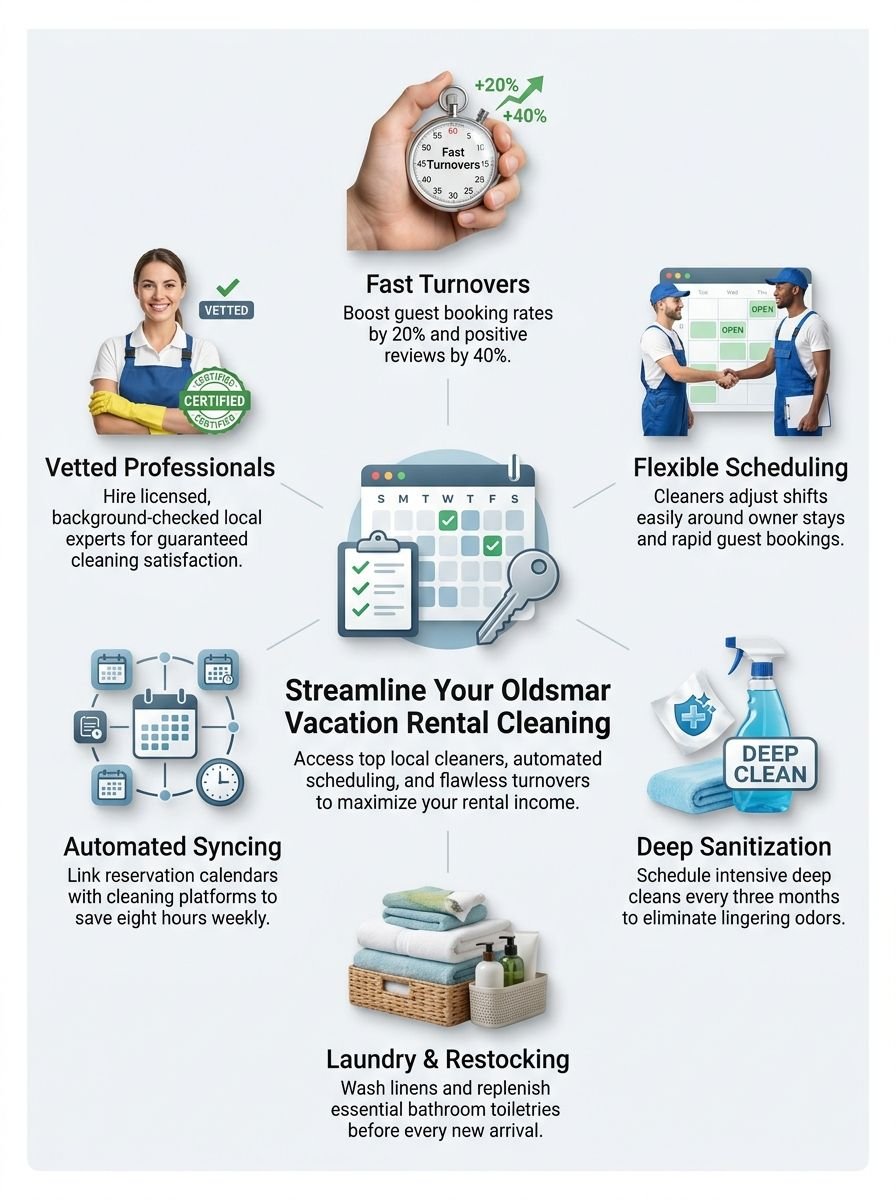
    After handling house cleaning for full-time residents, vacation rental cleaning brings its own unique needs. Property owners in St. Pete Beach know quick changeovers matter. Cleaners need to get in fast and create a spotless space before new guests arrive.

    This includes changing linens, dusting surfaces, disinfecting bathrooms, and checking the kitchen for old food or spills.

    Professional cleaning services use detailed checklists to make sure every part of the property is guest-ready. Companies also perform background checks on cleaners for safety and peace of mind.

    Flexible scheduling helps owners meet tight turnaround times between bookings. Thorough vacation rental cleaning keeps positive reviews coming in and ensures high occupancy rates throughout busy seasons like spring break or summer holidays.

    Move-In/Move-Out Cleaning

    Transitioning from vacation rental cleaning to move-in and move-out cleaning highlights an essential aspect for homeowners. This service focuses on preparing a space for new residents or ensuring the previous occupants left everything spotless.

    Cleaners will address every corner, including kitchens, bathrooms, and living spaces.

    Professional cleaners use thorough checklists to guarantee high-quality results. They tackle deep cleaning tasks such as scrubbing floors, sanitizing surfaces, and removing dust from hard-to-reach areas.

    Homeowners benefit greatly by saving time and effort during what can be a stressful transition period. For those needing reliable cleaning services in St. Petersburg, this option offers convenience with flexible scheduling to meet varied timelines.

    Post-Construction Cleaning

    Post-construction cleaning transforms a cluttered space into a fresh living environment. Dust and debris often linger after renovations, making thorough cleaning essential. Professional cleaners handle move-in or move-out situations effectively by removing construction waste.

    They ensure every corner shines, providing high-quality cleaning that meets the needs of house owners.

    These services save time and effort for busy parents and homeowners. Cleaners follow a detailed checklist to make sure no spot is overlooked. Their expertise guarantees satisfaction as they work efficiently in your home, allowing families to settle in without worry about lingering messes from construction activities.

    Benefits of One Time Cleaning Services

    One-time cleaning services save homeowners time and effort. They deliver a level of cleanliness that makes any space shine, freeing up weekends for family or relaxation.

    Saves Time and Effort

    Cleaning can take hours, especially for busy house owners and parents. One-time cleaning services help simplify this task. They handle deep cleaning quickly and efficiently. Professionals come equipped with the right skills and tools to tackle any mess.

    These services allow families to focus on what they enjoy most. There’s no need to spend weekends scrubbing floors or dusting shelves anymore. With flexible scheduling options, homeowners choose times that work best for them.

    Next, explore professional-level cleanliness offered by these expert teams.

    Professional-Level Cleanliness

    One-time cleaning services deliver professional-level cleanliness that homeowners and parents appreciate. These services use high-quality cleaning techniques to make homes shine. Skilled teams focus on every detail, ensuring deep cleaning in all areas.

    They tackle everything from dusting surfaces to scrubbing bathrooms, leaving spaces spotless.

    Homeowners can trust these cleaners because they undergo background checks and have proven expertise. Each visit offers a thorough inspection of the area before starting work. This careful approach guarantees satisfaction and makes one-time cleans a popular choice for residential or move-out situations in St.

    Petersburg, Florida.

    Flexible and Convenient Scheduling

    Flexible scheduling makes booking one-time cleaning services a breeze. Homeowners can choose times that fit their busy lives. Whether it is for residential cleaning, move-in cleaning, or vacation rental cleaning, the process caters to unique needs.

    Clients often appreciate how easy it is to find a time slot that works for them. Many services offer online booking options for added convenience. This flexibility allows families to maintain clean homes without disrupting their routines.

    Transparent pricing and clear communication with teams help streamline the entire experience as well.

    How to Book One Time Cleaning Services in St Pete Beach, FL

    Booking one-time cleaning services in St. Pete Beach is simple and straightforward. Customers can easily access online booking options, ensuring a hassle-free experience from start to finish.

    Online Booking Options

    Many cleaning services in St. Pete Beach offer user-friendly online booking options. Clients can easily select their desired service, whether it’s a one-time deep cleaning or move-out cleaning, and choose a time that suits them best.

    Most websites provide straightforward forms to fill out, allowing clients to specify their needs.

    This flexibility makes scheduling convenient for busy parents and house owners alike. After selecting the service type, customers receive transparent pricing details on the same page.

    They can review quotes before making any final decisions, ensuring they understand what they will pay for high-quality cleaning services.

    Transparent Pricing and Quotes

    Transparent pricing and quotes simplify the booking process for one-time cleaning services. Homeowners in St. Pete Beach can easily find out how much they will pay before any work begins.

    Clear quotes break down costs, so there are no surprises on payment day. This approach ensures that families stay within their budgets while enjoying high-quality cleaning services.

    Flexible scheduling allows homeowners to choose the best time for their cleanings. Many residential cleaning companies offer online booking options, making it easy to schedule a service at their convenience.

    Communication with cleaning teams is straightforward, which helps customers feel confident about their choice of service providers and leads directly into why choosing professional cleaning services matters in St.

    Pete Beach.

    Easy Communication with Cleaning Teams

    House owners can easily connect with cleaning teams through various online platforms. Customers have the option to book services via user-friendly websites or apps, making scheduling straightforward.

    Each cleaning service offers transparent pricing and detailed quotes, so there are no surprises later on.

    Communication remains vital throughout the process. Clients can reach out to cleaners directly for any special requests or questions regarding their one-time deep cleaning needs. This ease of communication contributes greatly to customer satisfaction and ensures that teams meet expectations effectively.

    Why Choose Professional Cleaning Services in St Pete Beach?

    Choosing professional cleaning services in St Pete Beach ensures homeowners receive high-quality cleaning from vetted teams. These cleaners undergo thorough background checks, guaranteeing trust and reliability.

    Clients enjoy satisfaction with every service, as professionals tackle tough cleaning tasks efficiently. With their expertise, your home shines like new. To learn more about how these services can benefit you, keep reading!

    Vetted Cleaners and Trustworthy Teams

    Cleaning teams in St. Pete Beach are screened carefully to ensure quality service. They undergo background checks, which provide peace of mind for house owners and parents alike. Each cleaner brings professional cleaning expertise to the job, delivering high-quality cleaning results.

    Reliable teams follow a thorough cleaning checklist that guarantees no corners are cut. Customer satisfaction matters greatly to these services. Each member strives to leave homes spotless and inviting, whether it’s residential cleaning or move-out cleaning at a vacation rental property.

    Satisfaction Guaranteed Services

    Satisfied customers find peace of mind with satisfaction guaranteed services. These professional cleaning teams take pride in their work, ensuring that every corner shines brightly.

    If homeowners or parents are not happy with the results, they can easily communicate their concerns. The cleaning team will address these issues without delay.

    Clients appreciate the transparency of pricing and quotes. Clear communication builds trust between homeowners and the service providers. With background checks on all cleaners, families can feel secure knowing that only vetted professionals enter their homes.

    This approach enhances customer satisfaction, making one-time deep cleaning a reliable choice for busy lives in St Pete Beach.

    Conclusion

    One-time cleaning services in St. Pete Beach offer convenience and expertise. Homeowners can enjoy a spotless space without the stress. Flexible scheduling makes it easy for families to find time that works for them.

    Trustworthy teams provide high-quality results, ensuring satisfaction with every clean. These services save time and help maintain a healthy home environment.

    FAQs

    1. What types of one-time cleaning services are available in St. Pete Beach, Florida?

    One-time deep cleaning, move-in cleaning, and move-out cleaning are offered for houses and offices. These professional cleaning services follow a detailed checklist to ensure thorough results.

    2. How do you ensure customer satisfaction with your house cleansing?

    Teams use high-quality products and proven methods for residential cleaning services. Background checks on staff add trust; flexible scheduling helps meet each client’s needs.

    3. Can I book office or residential cleaning with short notice?

    Yes, reliable cleaning services allow flexible scheduling for both house and office spaces in St. Petersburg; phone interviews help confirm details quickly.

    4. What is included in a standard deep clean service?

    A deep clean covers every room using a comprehensive checklist that targets hidden dirt and dust buildup; it ensures all surfaces get attention during the process.

    5. Are there any cancellation policies or payment methods clients should know about?

    A clear cancellation policy protects both customers and cleaners; accepted payment methods include credit cards or gift cards to make booking easy.

    6. Do you offer any specialized procedures like scaling or root planing as part of home cleans?

    No, scaling and root planing relate to dental health performed by dentists to remove plaque from gums; these are not part of professional house or office cleaning packages in St Pete Beach but focus remains solely on thorough property cleansing tasks.

  • Ultimate Guide: Keeping Your Bathtub Sparkling Clean

    Ultimate Guide: Keeping Your Bathtub Sparkling Clean

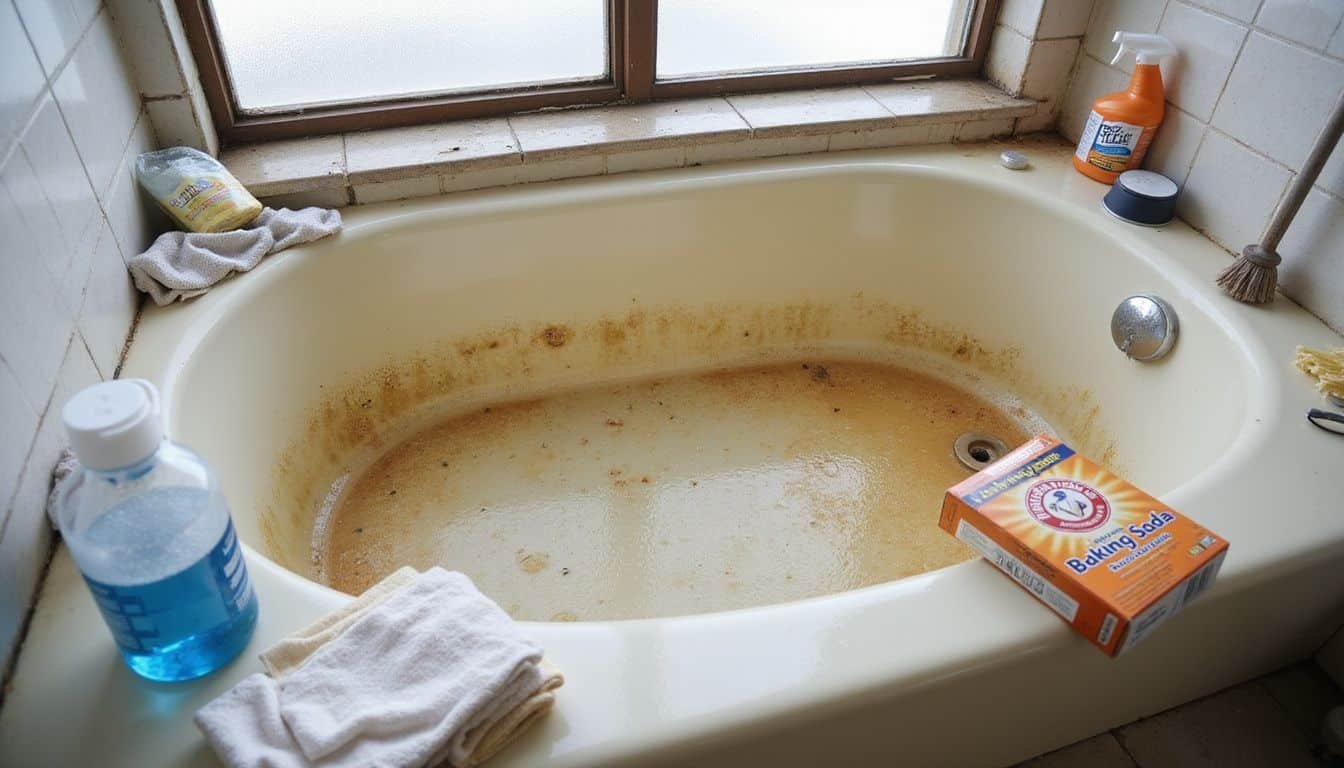
    Many parents and homeowners notice stubborn stains, soap scum, or limescale in their bathtubs. Regular cleaning feels tough when dirt builds up, making bathroom maintenance a real challenge.

    Hard water, bath products, and skipped cleanings let grime settle deep into surfaces.

    A recent study shows that trained cleaners rinse tubs with warm water before scrubbing for better results. This simple step loosens dirt to make stain removal easier during the wash.

    People searching for “How To Clean Your Bathtub” often want clear steps that work fast using safe surface cleaners.

    This ultimate guide breaks down easy cleaning tips you can use right away. It covers everyday natural solutions like vinegar or baking soda as well as expert advice on grout care and sanitizing for hygiene.

    Discover how smart habits keep your bathtub sparkling clean with less effort each week.

    See which methods will save time and leave your tub shining!

    Key Takeaways

    • Rinsing the bathtub with warm water before scrubbing loosens dirt and boosts cleaning results, as shown in a recent study of trained cleaners.
    • Everyday solutions like equal parts white vinegar and dish soap or a baking soda paste tackle stains safely without harsh chemicals.
    • For tough stains, mix hydrogen peroxide with baking soda or use a vinegar-water spray for limescale; let sit before rinsing well.
    • Clean jets by running warm water with vinegar and baking soda through the system for 10 minutes; clear drains using baking soda, vinegar, then hot water.
    • Use non-abrasive sponges or brushes to avoid scratching the tub surface, whether you clean at home or hire professionals who follow these steps.

    Ultimate Guide: Keeping Your Bathtub Sparkling Clean

    General Steps for Cleaning Your Bathtub

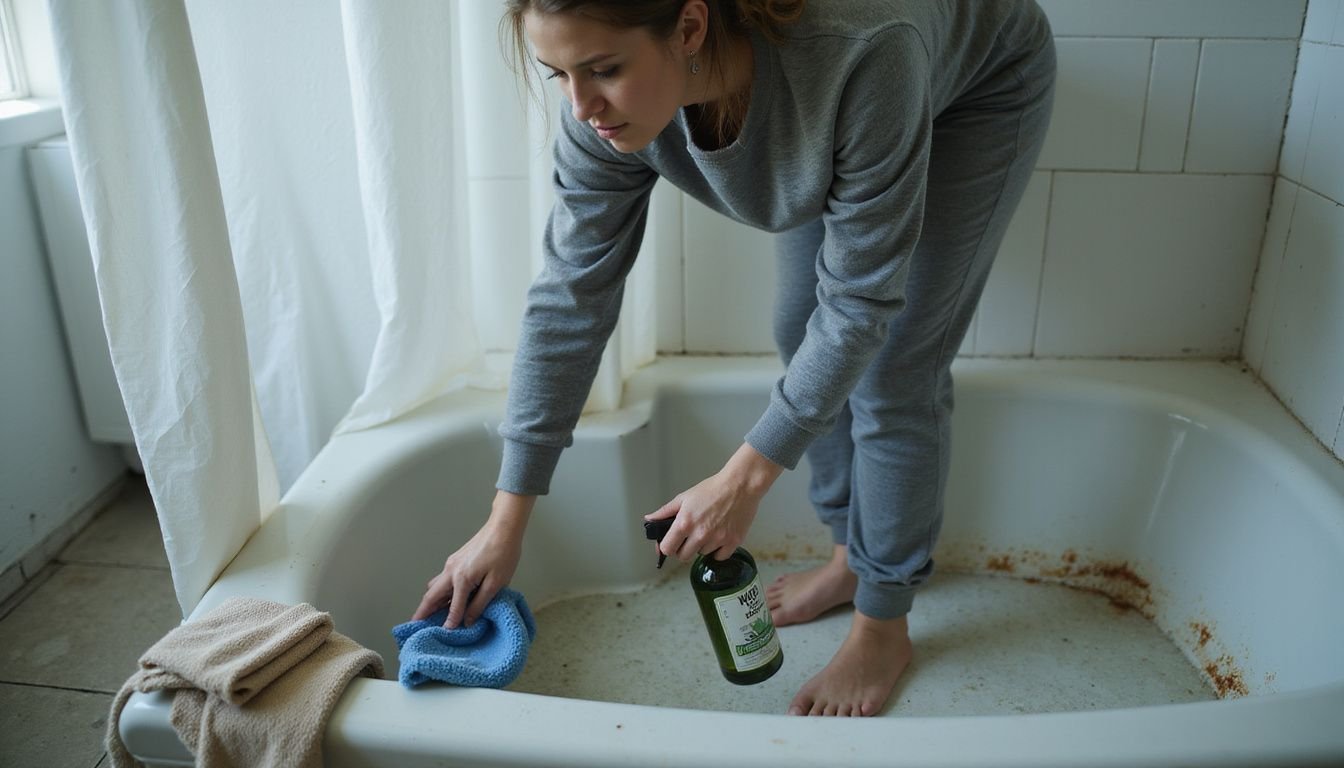
    A woman cleans a bathtub with a sponge and cleaning solution.

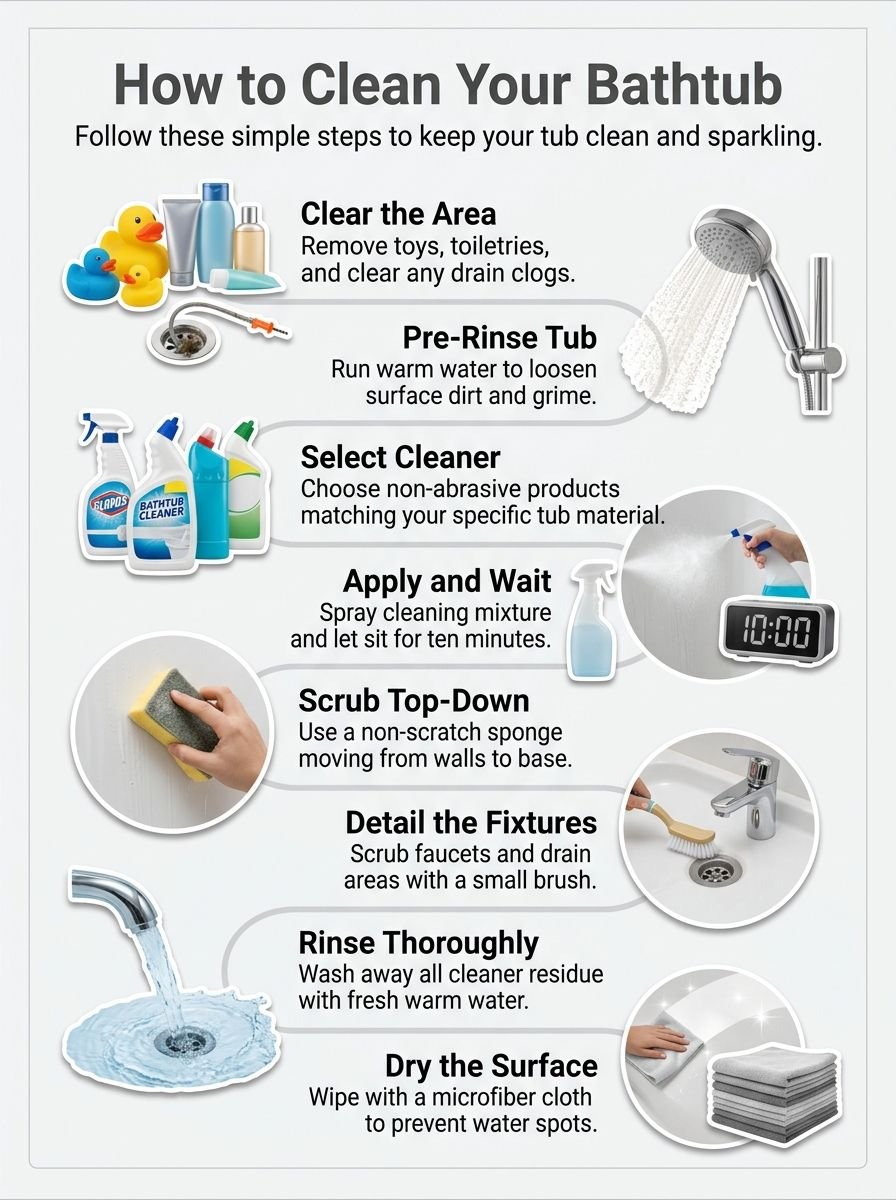
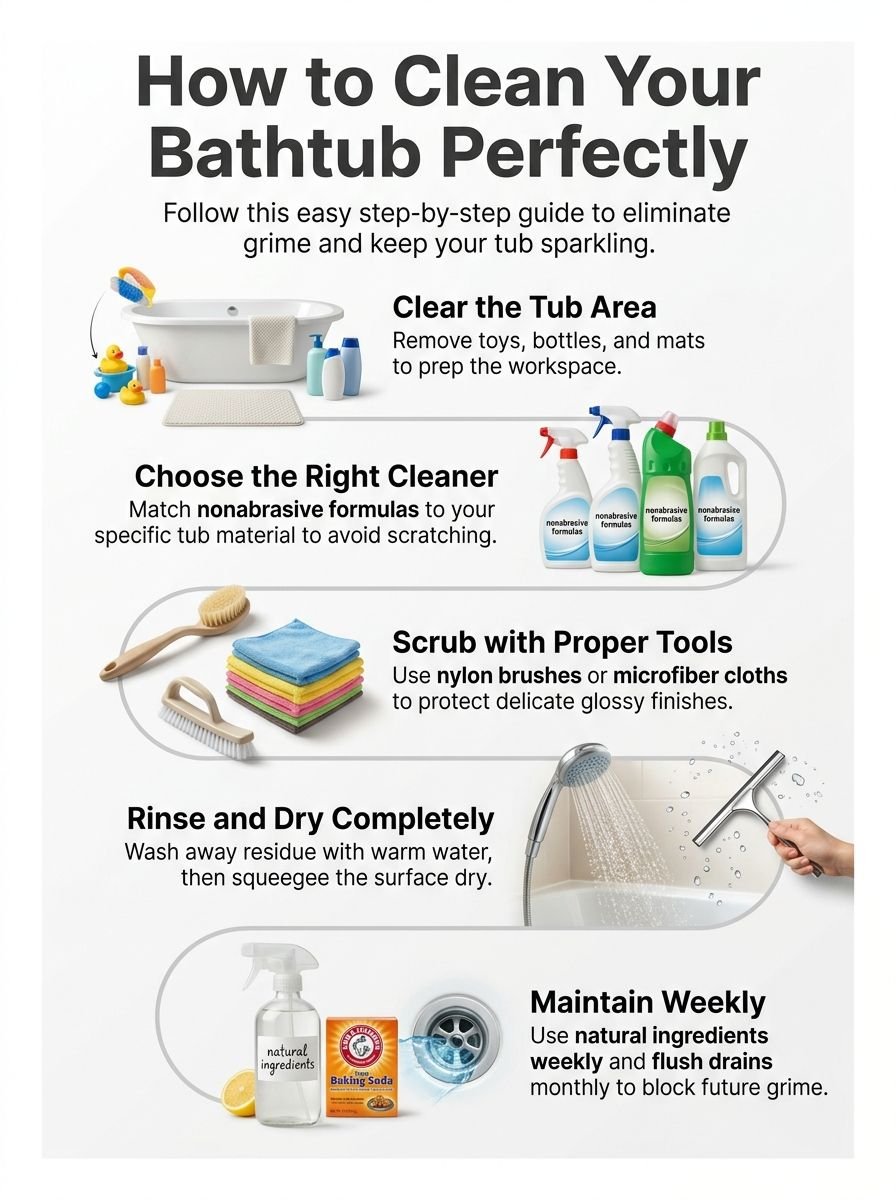
    Cleaning a bathtub involves simple and effective steps. First, rinse the tub with warm water to remove any loose debris. Next, apply your favorite cleaning solution evenly across the surface.

    Use a soft sponge or brush to scrub away stains and grime gently. After scrubbing, rinse thoroughly to wash away all cleaner residue. Finally, dry the tub with a microfiber cloth for that sparkling finish.

    Rinse with warm water

    Start by rinsing the bathtub with warm water. This simple step helps loosen dirt, grime, and soap scum that stick to the surface. Warm water does more than remove loose particles; it softens buildup and makes later steps easier.

    House owners who rinse first see better results when they apply any cleaning solution like detergent or a vinegar mix.

    Warm water also prepares the tub for deep cleaning by allowing products to adhere properly. The heat ensures that scrubbing tools like non-abrasive sponges work more efficiently on stubborn spots.

    Parents will notice less effort is needed during maintenance because this soaking process sets up a cleaner surface from the start. Rinsing always elevates bathtub hygiene in every home care routine.

    Apply a cleaning solution

    After rinsing the bathtub with warm water, it’s time to apply a cleaning solution. Homeowners and parents often reach for easy options like a mixture of equal parts white vinegar and dish soap.

    This combination acts as both a cleanser and disinfectant while cutting through grime and soapy residue on most surfaces. For tougher maintenance jobs, create a baking soda paste by mixing baking soda with water or dish soap.

    Allow the cleaning agent to sit on the tub surface for several minutes before scrubbing. This wait lets the solution break down stubborn dirt, making it easier to sanitize every corner of your bathtub.

    Use products safe for children if you have kids at home to keep everyone protected from harsh chemicals. Always choose non-abrasive sponges or brushes; these help lift away grime without scratching your tub’s finish, keeping it bright after each clean.

    Scrub with a non-abrasive sponge or brush

    After applying a cleaning solution, use a nonabrasive scrubbing tool to tackle soap scum and grime. Choose either a soft sponge or nylon brush that is safe for the bathtub’s surface.

    This step helps prevent scratches on acrylic, fiberglass, porcelain, or enamel tubs.

    Apply gentle but steady pressure during scrubbing to lift dirt without harming the finish. Focus extra effort on areas with heavy buildup near water lines and around drains. Rinse your sponge or brush often in clean water to avoid spreading residue back onto the tub surface.

    Continue until all grime has lifted, leaving no cloudy film behind before rinsing thoroughly with warm water.

    Rinse thoroughly and dry with a microfiber cloth

    Rinse the bathtub thoroughly with warm water after scrubbing. This step removes any remaining cleaning solution and dirt, keeping the surface spotless. Next, use a microfiber cloth to dry the bathtub.

    Drying prevents water spots from forming, ensuring good hygiene and maintenance of your tub’s appearance. Cleaning solutions can often leave residue if not rinsed properly, so this careful rinse is essential for a sparkling finish.

    Moving on, different cleaning solutions can enhance your routine even more effectively.

    Cleaning Solutions for Everyday Use

    Cleaning solutions make everyday bathtub maintenance simple. A mix of vinegar and dish soap cuts grime effectively. For tougher spots, a paste made from baking soda and dish soap works wonders.

    Explore these options to keep your tub shining bright!

    Vinegar and dish soap mixture

    A mixture of equal parts white vinegar and dish soap serves as an effective cleaning agent for bathtubs. House owners can combine these ingredients in a spray bottle for quick access.

    This solution acts as a grime remover and disinfectant, making it perfect for everyday cleaning tasks. Allow the mixture to sit on surfaces for a few minutes to break down tough stains.

    For an extra boost, adding a couple of tablespoons of baking soda enhances its scrubbing power. After applying the solution, use a non-abrasive sponge or brush to scrub the tub gently.

    Rinse thoroughly with warm water after cleaning to wash away any leftover residue from this household cleaner.

    Baking soda and dish soap paste

    After exploring the vinegar and dish soap mixture, homeowners can turn to baking soda and dish soap paste for a powerful cleaning solution. This paste effectively tackles grime and stains in bathtubs.

    To create the paste, mix baking soda with dish soap until it forms a thick consistency. For best results, use this solution after rinsing the bathtub with warm water. The combination enhances the cleaning power against stubborn dirt.

    Apply the paste generously to problem areas and scrub gently with a non-abrasive sponge or brush. Rinse thoroughly afterward for a sparkling clean finish.

    Tips for Removing Tough Stains

    Removing tough stains from a bathtub requires some effective strategies. Mixing hydrogen peroxide with baking soda creates a powerful paste that can tackle stubborn marks. For limescale buildup, use a vinegar and water spray to break down the deposits easily.

    These methods keep your bathing space sparkling clean. Explore more tips to restore your tub’s shine!

    Hydrogen peroxide and baking soda paste

    Create a paste using one part hydrogen peroxide and two parts baking soda. This combination effectively tackles stubborn stains that can appear in bathtubs. Apply the paste directly onto the stained area, then let it sit for 30 minutes.

    After waiting, scrub the surface thoroughly to lift the stain. Rinse well to remove any residue left behind and enjoy a sparkling clean bathtub. The nontoxic nature of this household cleaner makes it safe for families while still providing powerful stain removal capabilities against grime.

    Vinegar and water spray for limescale buildup

    A vinegar and water spray tackles limescale buildup effectively. House owners can make this cleaning solution by mixing equal parts white vinegar and water. They should spray the mixture directly onto the areas affected by limescale.

    Letting it sit for 15 minutes allows the solution to break down calcium deposits.

    After waiting, scrubbing the area with a non-abrasive sponge removes stubborn buildup easily. A thorough rinse with clean water ensures that no residue remains in the bathtub. This simple method works well for regular bathroom care, making maintenance effortless for parents trying to keep their homes sparkling clean.

    Repeating this process as needed will help keep those surfaces pristine over time.

    Specialized Cleaning Methods

    Cleaning your bathtub drain and jets requires specific techniques for effective results. Use a plumbing snake to unclog the drain, clearing away hair and debris. For jets, run a mix of vinegar and water through them to prevent buildup.

    These methods help maintain proper function while keeping surfaces fresh. Explore more tips on specialized cleaning solutions for tough tasks!

    How to clean your bathtub drain

    Remove any visible debris from the bathtub drain. This includes hair, soap scum, and other built-up materials. For deeper cleaning, mix baking soda and vinegar. Pour one cup of baking soda down the drain, followed by one cup of vinegar.

    Allow this mixture to sit for about 30 minutes.

    Afterward, flush the drain with hot water to clear away any remaining residue. If clogs persist, consider using a plumbing snake or a simple plunger for better results. Regular maintenance helps keep drainage systems in good condition and prevents future blockages.

    How to clean bathtub jets

    Clean bathtub jets by following a few simple steps. First, fill the tub with warm water until it covers the jets. Add a mix of vinegar and baking soda to create a fizzy cleaning solution.

    Let it bubble for about 15 minutes; this helps break down any grime or residue.

    Next, turn on the jet system for five to ten minutes while the mixture works inside. After that, drain the tub completely and rinse thoroughly with fresh water. This method sanitizes and ensures proper plumbing care for your home fixtures.

    Regular maintenance keeps those jets sparkling clean and functioning well.

    Natural Cleaning Alternatives

    Natural cleaning solutions offer simple and effective ways to keep your bathtub pristine. Many house owners enjoy using baking soda and vinegar for their eco-friendly properties. This duo can tackle grime without harsh chemicals, making it safe for families.

    Dawn dish soap also works wonders when mixed with warm water, effectively cutting through dirt while being gentle on surfaces. To explore more about these natural options, check out the following sections!

    Cleaning with baking soda and vinegar

    Baking soda works wonders as a cleaning agent. Homeowners can create a paste by mixing it with water and applying it to surfaces in the bathtub. This natural cleaner lifts grime effectively without scratching surfaces.

    Meanwhile, vinegar serves as an excellent deodorizer and cuts through limescale buildup. Spraying equal parts of vinegar and water on stubborn spots helps dissolve tough stains.

    Combining baking soda and vinegar enhances cleaning power significantly. The reaction between these two ingredients generates fizzing action that loosens dirt and debris from surfaces.

    After using this mixture, rinsing the tub thoroughly removes any remaining residue, leaving behind a sparkling clean surface.

    Cleaning with Dawn dish soap

    Mix equal parts of white vinegar and Dawn dish soap to create an effective cleaning solution for bathtubs. This combination tackles grime and stains effectively. Apply the solution directly onto the surface and let it sit for a few minutes.

    It helps break down tough buildup.

    For added strength, homeowners can enhance their cleaning with a paste made from baking soda mixed with water or dish soap. For stubborn stains, use a paste that combines one part hydrogen peroxide with two parts baking soda.

    After scrubbing, rinse thoroughly and dry the bathtub using a microfiber cloth to prevent water spots from forming.

    Professional Cleaning Services for Your Bathtub

    Professional cleaning services for bathtubs deliver effective sanitation and maintenance. They often use a combination of white vinegar and dish soap to clean surfaces thoroughly. This solution works well against grime.

    For tough stains, cleaners create a paste from baking soda and apply it directly to the problem areas.

    These professionals let the cleaning solutions sit for several minutes for better results. Non-abrasive sponges or brushes are essential during scrubbing to avoid damage. For limescale buildup, they apply a water and vinegar mixture, ensuring proper disinfection and restoration of your bathtub’s shine.

    Conclusion

    Cleaning a bathtub does not have to be a chore. With simple steps, anyone can keep their tub sparkling clean. The guide covers effective methods and everyday cleaning solutions that make maintenance easy.

    Using natural ingredients can help eliminate stains while keeping the environment safe. Regular cleaning keeps bathtubs looking fresh and inviting, ensuring a pleasant experience for everyone at home.

    FAQs

    1. What are the best methods for keeping my bathtub clean?

    The best methods include using a mixture of baking soda and vinegar, scrubbing with a soft brush, and rinsing thoroughly. Regular cleaning prevents buildup.

    2. How often should I clean my bathtub to keep it sparkling?

    Cleaning your bathtub at least once a week is ideal. This routine helps maintain its shine and prevents stains from forming over time.

    3. Are there any common mistakes people make while cleaning bathtubs?

    Yes, many people use harsh chemicals that can damage surfaces or skip rinsing after applying cleaners, which leaves residues behind. Always read labels for safe usage.

    4. Can I use natural products to clean my bathtub effectively?

    Absolutely! Natural products like lemon juice and baking soda work well to remove grime without harmful effects on your health or the environment.

  • Quick Cleaning Hacks For A Spotless Home In One Go

    Quick Cleaning Hacks For A Spotless Home In One Go

    Keeping a home clean feels like an endless task, especially for busy families. Many homeowners struggle to find time for deep cleaning, often feeling overwhelmed by constant mess and clutter.

    Most people need quick solutions that actually work.

    One useful fact is that decluttering before you start any big cleaning job helps make surfaces easier to wipe down and tidying up faster. Creating clear spaces sets the stage for effective and simple housekeeping.

    This blog shares practical tips using items like baking soda, vinegar, and dish soap to speed up your routine. Readers will discover One Time Cleaning Tips along with smart tricks for efficient house maintenance.

    Quick ideas await to help achieve rapid results in one go—keep reading to learn more!

    Key Takeaways

    • Declutter each room before cleaning to make surfaces easier to wipe. Use the “retain, donate, or discard” method and involve all family members for faster results.
    • Follow a top-to-bottom approach: clean shelves and fans first, then furniture, and save floors for last. This prevents dust from falling onto already-cleaned areas.
    • Use baking soda to remove odors from carpets and mattresses. For stubborn stains on surfaces, mix equal parts vinegar and dish soap in a spray bottle.
    • Focus on high-impact areas like kitchens and bathrooms first since these spaces collect dirt fastest. Wipe counters after cooking and do quick daily bathroom touch-ups.
    • Work in blocks using timers—like 20 minutes or an hour—to keep energy up while tackling specific tasks one by one without feeling overwhelmed.

    Quick Cleaning Hacks For A Spotless Home In One Go

    Prepare for Efficient Cleaning

    A woman checks a list in her cluttered living room.

    To clean efficiently, homeowners must first declutter each room. They should gather all necessary cleaning supplies before starting the process.

    Declutter Each Room

    Removing unnecessary items from each room is the first step towards a clean, organized home. It paves the way for clear surfaces and spaces, which simplifies thorough cleaning.

    • Begin with one room at a time to prevent unmanageable feelings. This strategy keeps the process under control and productive.
    • Establish three sorting groups: retain, donate, or discard. This plan simplifies choices and accelerates the process.
    • Use containers or bags to gather items for donation right away. Keeping these items out of view reduces disorder and creates extra space.
    • Apply the two-minute rule for minor tasks like sorting mail or storing away laundry. If it takes fewer than two minutes, do it immediately.
    • Spend on storage methods that match your living area and lifestyle. Shelves, boxes, and separators can transform disordered areas into structured ones.
    • Mark storage boxes accurately. This step facilitates maintaining organization for all household members.
    • Turn cleaning out into a routine chore rather than a one-off event. Daily maintenance stops mess from accumulating again.
    • Motivate all house members to contribute to the cleanup efforts. Shared duties foster a cleaner setting and distribute the workload equally.
    • Lastly, acknowledge progress after each cleaning session with a modest reward or break. This positive feedback promotes continuous effort for cleanliness and order.

    These measures turn disordered rooms into neat spaces ready for deep cleaning, making the comprehensive chore of maintaining an immaculate home much more feasible.

    Gather All Necessary Supplies

    After decluttering each room, the next step ensures a smooth cleaning process. Homeowners and parents must gather all necessary supplies before starting. This preparation minimizes distractions and interruptions, making cleaning more efficient.

    1. Collect cleaning solutions such as an all-purpose cleaner that works on various surfaces.
    2. Get microfiber cloths because they trap dust better and do not scratch surfaces.
    3. Include gloves in your supplies to protect your hands from harsh chemicals.
    4. Enlist the help of family or friends to tackle different tasks simultaneously.
    5. Choose simple tools like baking soda for removing odors effectively.
    6. Keep the dishwasher ready to clean small items, saving time and effort.
    7. Organize supplies in a caddy or bucket for easy transport from one room to another.

    This methodical approach takes advantage of teamwork and smart cleaning hacks, ensuring a spotless home with minimal effort.

    The Top-to-Bottom Cleaning Method

    Start cleaning from high surfaces like shelves and light fixtures. This method prevents dust and debris from falling onto areas you have already cleaned, making the process smoother.

    After addressing upper spots, move down to furniture and finish with floors. Employ microfiber cloths and extendable dusters to reach those tricky spots easily.

    Start with High Surfaces

    Ceiling fans, shelves, and the tops of cabinets often collect hidden dust. Cleaning these high surfaces first prevents dirt from falling onto already cleaned tables or floors below.

    The top-to-bottom cleaning method uses a systematic approach that saves time and boosts efficiency. Dusting upper surfaces before moving to lower areas keeps the process organized and avoids extra work.

    A soft microfiber cloth or an extendable duster works well for reaching tall spots without dragging out a ladder each time. Professional housekeepers follow this order because it stops repeated cleaning of the same area.

    This method means less effort yet better cleanliness throughout every room in the home.

    Work Down to Floors

    Start by cleaning the highest surfaces and progress down to the floors. This method ensures that dust and debris settle in lower areas as cleaning occurs. Wipe down ceiling fans, light fixtures, and shelves first; this keeps mess from landing on already cleaned areas.

    Once high surfaces are clear, direct attention to walls and furniture next. Use a microfiber cloth for dusting to capture particles effectively. Conclude with floor care—sweep or vacuum before mopping.

    This order respects the cleaning hierarchy, making maintenance easier while promoting sanitation in homes.

    Focus on High-Impact Areas

    High-impact areas, like kitchens and bathrooms, require the most attention during cleaning. These spaces often collect dirt and grime quickly, so tackling them first can lead to rapid results.

    Prioritize Kitchen and Bathrooms

    Cleaning the kitchen and bathrooms should be a top priority. These areas typically require more attention due to their regular use. The kitchen is a workspace where food preparation takes place, making hygiene essential.

    Bathrooms also need frequent disinfection to maintain sanitation.

    Homeowners can start by decluttering surfaces in these rooms for easier cleaning. They can use appliances like dishwashers to clean small items, such as range hood grates. Concentrating on these high-impact areas ensures a more effective and efficient cleaning process.

    Clean Frequently Used Spaces First

    Follow the focus on kitchens and bathrooms by tackling frequently used spaces next. The kitchen deserves special attention, as it often gathers clutter quickly. Wipe down counters after meal prep to maintain cleanliness.

    Regularly scrub sinks to prevent buildup of grime.

    Bathrooms also require prompt cleaning due to daily use. Keep surfaces clear by storing items in cabinets or baskets. A quick daily wipe-down of counters and mirrors keeps these areas fresh.

    Prioritizing these spots greatly improves home hygiene and sanitation, ensuring a comfortable environment for family members and guests alike.

    Smart Cleaning Hacks

    Smart cleaning hacks can save time and effort. Baking soda works wonders for eliminating unpleasant odors. A mix of vinegar and dish soap effectively tackles tough stains. Cleaning while you cook or play reduces messes before they build up.

    Use Baking Soda for Odor Removal

    Sodium bicarbonate works wonders for removing odors. Homeowners and parents can sprinkle it on carpets or mattresses to freshen up spaces. Allow the baking soda to sit for several hours, or even overnight, before vacuuming.

    This method enables it to absorb unpleasant smells effectively.

    Many Reddit users have praised baking soda as a powerful deodorizer and odor neutralizer. Including this household remedy in regular cleaning routines boosts sanitation efforts. Using baking soda helps with everyday freshness and also improves deep cleaning sessions in their homes.

    Next, explore how vinegar and dish soap create a mix that tackles stubborn stains better than most cleaners do.

    Try a Vinegar and Dish Soap Mix for Stubborn Stains

    Clean stains quickly with a vinegar and dish soap mix. This solution works wonders for tough spots on various surfaces. Combine equal parts of white vinegar and dish soap in a spray bottle.

    Shake the mixture well to blend them smoothly.

    Spray it directly onto the stain, allowing it to sit for about 10-15 minutes. Then, scrub gently with a microfiber cloth or sponge. The acidity in the vinegar breaks down stubborn grime, while dish soap helps lift dirt away.

    Enjoy cleaner surfaces without harsh chemicals by using this natural cleaner effectively.

    Clean as You Go to Reduce Build-Up

    Cleaning as you go keeps messes from piling up. Wipe the stove immediately after cooking instead of waiting. This simple habit prevents grease and food particles from hardening into tough stains.

    Using the Two-Minute Rule helps too; complete tasks that take under two minutes right away to keep things tidy.

    The practice of decluttering first allows for clearer surfaces. Clear counters and tables make cleaning much easier later on. Getting family or friends involved can speed up cleanup time significantly, enhancing efficiency and collaboration in maintaining a tidy home.

    Work in Manageable Time Blocks

    Cleaning doesn’t have to feel overwhelming. Break tasks into 20-minute segments for a more focused approach. Set a timer, and tackle one area at a time. This strategy keeps energy levels high and distractions low.

    With each completed segment, the home slowly transforms into a spotless haven.

    Use the 20-Minute Rule

    Using the 20-Minute Rule helps maintain focus during cleaning tasks. Set a timer for twenty minutes to work efficiently. This short burst of concentrated effort allows house owners and parents to tackle specific areas without feeling overwhelmed.

    After the timer goes off, take a ten-minute break. Use this time to relax or recharge before jumping back into cleaning. For those who prefer longer sessions, dedicate one hour each day to focused cleaning activities.

    Breaking tasks into manageable blocks enhances productivity and prevents burnout while keeping homes spotless.

    Set a Timer for One-Hour Focused Cleaning

    After using the 20-minute rule, house owners and parents should consider setting a timer for one hour dedicated to focused cleaning. This approach encourages productivity while tackling chores efficiently.

    With a clear time limit, cleaning feels less intimidating and more manageable.

    Focusing on this hour allows individuals to prioritize tasks without distractions. They can address clutter first to clear surfaces before starting deep cleaning. A structured session promotes better organization, leading to a cleaner home in less time.

    Conclusion

    Quick cleaning hacks simplify home maintenance. Decluttering first opens up space and makes cleaning easier. Focusing on high-impact areas, like the kitchen and bathrooms, speeds up the process significantly.

    Applying smart techniques, such as using baking soda for odors or a vinegar-dish soap mix for stubborn stains, achieves rapid results. With efficient time blocks and teamwork from family or friends, anyone can enjoy a spotless home in no time.

    FAQs

    1. What are quick cleaning hacks for a spotless home?

    Quick cleaning hacks involve simple and effective methods to clean your home efficiently. These tips help you tackle messes quickly, ensuring every room looks great in one go.

    2. How can I make my cleaning routine faster?

    To speed up your cleaning routine, gather all supplies beforehand. Use multi-purpose cleaners and focus on high-traffic areas first. This approach saves time while achieving a neat space.

    3. Are there any myths about cleaning that I should know?

    Yes, many people believe that more cleaner means better results; this is not true. Using the right amount of product is key to effective cleaning without wasting time or resources.

    4. What tools do I need for quick home cleaning?

    For efficient home cleaning, use basic tools like microfiber cloths, a vacuum with attachments, and a mop with an easy-to-use bucket system. These items streamline your process and enhance cleanliness throughout your space.

  • Ultimate Guide To Deep Cleaning After The Holidays

    Ultimate Guide To Deep Cleaning After The Holidays

    Holiday parties and family visits can turn a tidy house upside down. Parents and homeowners often see clutter, stains, and leftover wrapping paper everywhere after Christmas and New Year’s.

    Many struggle to fit deep cleaning into busy routines once the holiday season wraps up.

    Studies show most people delay their post-holiday clean-up for weeks. This habit lets stains set in carpets, causes odors to linger, and creates a mess that feels harder to tackle with each passing day.

    Deep Cleaning After Holidays helps prevent bigger problems by acting early.

    This guide offers the steps needed to achieve a true deep clean using simple cleaning products or helpful tools like robotic vacuums. It covers tackling high-traffic areas such as living rooms, carpet cleaning tips, oven cleaning advice, storage ideas for holiday decorations, plus ways to keep homes fresh through winter with automation tools like smart thermostats.

    Read on for an easy-to-follow plan that makes post-holiday clean-up quick and stress-free!

    Key Takeaways

    • Most people delay cleaning for weeks after the holidays, which makes stains set and odors harder to remove.
    • Act fast on spills in high-traffic areas, like living rooms and carpets, using enzyme cleaners and baking soda to stop stains and odors.
    • Organize decorations by category and store them in labeled clear bins; donate unwanted items to prevent clutter next year.
    • Deep clean kitchens with grease-fighting products and check dining upholstery for food stains; steam or spot clean as needed.
    • Prepare your home for winter by sealing windows, checking heating systems, cleaning gutters, and setting up emergency kits for safety.

    Ultimate Guide To Deep Cleaning After The Holidays

    Tackle Stains and Odors

    A middle-aged woman diligently cleans a kitchen countertop with determination.

    Stains can ruin any surface, especially after a busy holiday season. Use effective cleaning products to stop those stains in their tracks and freshen up the air by neutralizing stubborn odors.

    Stop stains before they spread

    Act fast to tackle spills before they set into fibers. Blot liquid accidents on carpets or rugs with a clean towel, never rubbing because that drives stains deeper. Use cleaning products best suited for the material; for instance, apply an enzyme cleaner on food messes or pet accidents and let it sit as directed.

    Apply cold water first to break up sticky residues from juice, wine, or soups left over from large holiday lunches. Homeowners using a robot vacuum should remove surface debris right away to avoid more embedded dirt during post-holiday clean-up.

    For tough marks on upholstery or delicate fabrics, consult your dry cleaner promptly and follow their recommended deep cleaning steps.

    Quick attention helps high-traffic areas in the living room stay fresh long after guests leave; prompt action keeps odors from growing stronger too. Steps like these make it easier to neutralize lingering smells throughout the house next.

    Neutralize lingering odors

    Pet smells, cooking odors, and party scents can stick around after the holidays. Open windows to let fresh air flow through high-traffic areas like the living room and kitchen. Use baking soda on carpets or rugs before vacuuming, which helps absorb stubborn smells without harsh chemicals.

    Try white vinegar in bowls set throughout each room for a natural approach. Deep clean upholstery using enzyme-based cleaning products that break down odor-causing particles from pets or spills.

    A deep cleaning checklist often includes washing throw blankets, pillow covers, and curtains since fabrics trap scents easily during gatherings. If odors linger despite these efforts, post-holiday clean-up services offer professional carpet cleaning for larger jobs.

    These simple steps help keep homes fresh and ready for winter guests.

    Deep Clean High-Traffic Areas

    High-traffic areas need special attention after the holiday chaos. Dirt and grime build up easily in places like entryways, living rooms, and kitchens. Use a vacuum with strong suction for carpets and rugs.

    Treat hardwood or tile floors with appropriate cleaning solutions to restore their shine. Don’t forget furniture surfaces; wipe them down with damp cloths for that fresh look. Take these steps to keep your home welcoming all winter long.

    Floors, carpets, and rugs

    Holiday gatherings can leave footprints and spills on every surface. Start with a broom or vacuum to pick up dust, crumbs, and debris from hard floors and area rugs in high-traffic areas.

    Steam cleaners work well for deeper dirt that standard cleaning products might miss.

    Carpet cleaning becomes easier when stains are treated fast. Use an enzyme-based cleaner to break down stubborn spots left by food or drinks. House owners who want a quick refresh can sprinkle baking soda over carpets before vacuuming to help neutralize odors.

    Professional cleaning services offer powerful tools for deep clean tasks after the holiday rush if needed.

    Furniture and upholstery

    Clean furniture and upholstery to remove dirt and stains effectively. Use a vacuum cleaner with an attachment for fabric surfaces. Target high-traffic areas first. These spots often collect more dust and debris.

    Choose appropriate cleaning products for your fabrics. Look for ones labeled safe for upholstery care. Test any product on a hidden area before applying it widely. Regular cleaning prevents odors from setting in, keeping the living space fresh and inviting.

    Organize and Store Holiday Decorations

    After the holidays, homeowners must tackle their decorations. Organizing and storing holiday items can simplify future use and create a tidy home environment.

    1. Sort decorations by category. Place all ornaments together, lights in another pile, and wreaths in yet another section. This way, retrieving them next year becomes easier.
    2. Inspect each item for damage or wear. Throw away or repair any broken ornaments or tattered decorations before packing them up. Storing damaged items only creates clutter.
    3. Use clear bins for storage. These containers allow homeowners to see what they have without opening every box. Labeling each bin with its contents also helps during the next holiday season.
    4. Keep similar items together in one spot. Store all outdoor decorations in one area and indoor ones in another bin or location. This organization saves time when setting up next year.
    5. Wrap fragile items carefully using tissue paper or bubble wrap. Protecting delicate ornaments prevents breakage during storage.
    6. Consider the climate of the storage area. Make sure temperatures remain stable to avoid damaging materials like plastic or glass.
    7. Find creative ways to store lights to prevent tangling; use cardboard spools or clips specifically designed for this purpose; tangled lights can create hassle when decorating next year.
    8. Designate a specific place for all holiday items within the home; this central location makes it simple to access decorations at any time throughout the season.
    9. Donate unwanted decorations to local charities instead of hoarding them; this action helps others while decluttering your space effectively.
    10. Plan ahead for next year’s decor needs while organizing this year’s leftovers; knowing what worked well will help streamline setup later on.

    Refresh the Kitchen and Dining Areas

    Cleaning up the kitchen and dining areas can bring new life to the home. Start with a thorough wipe-down of all surfaces, including countertops, tables, and cabinets. Use effective cleaning products that tackle grease and grime left from holiday cooking.

    Pay special attention to high-touch spots like cabinet handles and light switches. Next, move on to appliance cleaning; give the oven a deep clean to remove any residual food particles or splatters.

    This ensures they look good and function well for future meals.

    Floor spaces often suffer during the busy holiday season too. Vacuum carpets thoroughly, focusing on corners where crumbs may hide. For hard floors, sweep away dust before mopping with a suitable cleaner for your floor type.

    Dining chairs also need attention; check upholstery for stains from meals shared with family and friends. Spot clean them using appropriate carpet cleaning solutions or steam them if necessary to refresh their appearance completely while maintaining hygiene in this essential part of the home.

    Prepare Your Home for the Winter Season

    After refreshing the kitchen and dining areas, homeowners should focus on preparing their homes for the winter season. Winter brings unique challenges that require attention to ensure comfort and safety.

    1. Seal windows and doors to prevent drafts. Apply weather stripping or caulk around openings. This simple step improves energy efficiency and keeps chilly air out.
    2. Check heating systems before it gets cold. Schedule maintenance for furnaces or heat pumps. A well-functioning unit ensures warmth during frigid months.
    3. Inspect insulation in the attic and basement. Proper insulation maintains a consistent temperature and reduces energy bills.
    4. Winterize outdoor faucets and hoses. Drain water from hoses and store them indoors to prevent freezing damage. Cover outdoor spigots with insulating covers.
    5. Prepare emergency kits for power outages. Fill kits with flashlights, batteries, blankets, food, and water supplies. Having an emergency kit ready offers peace of mind during storms.
    6. Clean gutters to prevent ice dams from forming. Remove leaves and debris to ensure proper drainage during winter storms.
    7. Stock up on cleaning products suitable for colder weather tasks like carpet cleaning and oven cleaning after holiday meals.
    8. Organize holiday decorations in durable boxes for easy access next year; this saves time when decorating again.
    9. Assess furniture arrangement in high-traffic areas to create clear pathways while keeping warm zones cozy.
    10. Revive living spaces by bringing in cozy textiles like throws or cushions; these add warmth while enhancing aesthetics during winter months.

    Each step helps maintain a welcoming environment throughout the colder season while ensuring safety for all residents in the home.

    Conclusion

    Deep cleaning after the holidays refreshes a home. House owners can tackle stains, odors, and clutter with simple steps. They should focus on high-traffic areas like carpets and furniture to create a welcoming environment.

    Organizing holiday decorations makes storage easier for next year’s festivities. By following this guide, everyone can enjoy a clean and cozy space all winter long.

    FAQs

    1. What is the first step in a post-holiday clean-up?

    Start by removing holiday decorations from all rooms. This creates space for a deep clean and helps you see which areas need special attention.

    2. How do I tackle high-traffic areas during deep cleaning?

    Focus on carpet cleaning and floor care in entryways, hallways, and living room spaces. Use targeted cleaning products to remove dirt that builds up after frequent use.

    3. Is professional help needed for oven cleaning or other tasks?

    Many people handle oven cleaning themselves with store-bought cleaners, but tough stains or heavy buildup may require specialized cleaning services for best results.

    4. Which supplies work best for living room cleaning after the holidays?

    Choose reliable cleaning products designed for upholstery, dusting surfaces, and spot-treating carpets. These tools are essential when restoring your main gathering area to its pre-holiday state.

  • Professional One-Time Cleaning Services In St. Petersburg

    Professional One-Time Cleaning Services In St. Petersburg

    Busy days and packed routines can leave homes messy and stressful. Many homeowners in St. Petersburg feel tired after work or school and do not have the energy for house cleaning. Dust, dirty bathrooms, and sticky kitchens can build up quickly.

    One fact stands out: professional one time cleaning services in St Petersburg help families get a fresh start fast. Companies like Molly Maid, Maid Brigade, Premier Care Cleaning, and others provide deep cleaning for busy people who need quick results.

    This blog post explains what one time cleaning services are, how they save time, improve air quality, and lower stress at home. Readers will learn which companies offer top service in the St.

    Petersburg area plus tips to choose the best fit for their needs.

    Discover how easy it is to achieve a cleaner space—keep reading!

    Key Takeaways

    • Professional one-time cleaning services in St. Petersburg help busy families and homeowners quickly achieve a clean home without daily upkeep.
    • Top companies like Molly Maid, Maid Brigade, MaidPro, Premier Care Cleaning, and The Cleaning Authority provide deep cleans for move-ins, move-outs, or special events.
    • Services cover kitchens, bathrooms, carpets/floors (vacuuming/mopping), and high-touch areas using safe products; this reduces allergens and improves air quality at home.
    • Customers can use review platforms such as Yelp or Angie’s List to compare company ratings, service packages (like deep versus basic cleanings), prices, licensing status, and insurance coverage.
    • Hiring professional cleaners lowers stress for parents and saves time by letting background-checked experts handle detailed tasks that regular cleaning often misses.

    Professional One-Time Cleaning Services In St. Petersburg

    What is a Professional One-Time Cleaning Service?

    Cluttered living room in need of a thorough deep clean.

    A professional one-time cleaning service gives homeowners and parents in St. Petersburg, Florida a flexible way to handle special cleaning needs. These house cleaning services often tackle deep cleaning, move-in or move-out jobs, and detailed tasks that go beyond regular residential cleaning or weekly maintenance routines.

    National chains like Molly Maid, Maid Brigade, and MaidPro offer these options across the city. Local companies such as Premier Care Cleaning and The Cleaning Authority also provide thorough single-visit solutions for both homes and offices.

    Customers can compare providers on platforms like Yelp or Angie’s List to find services matched to their requirements. One-time cleanings address specific events—like after a party at Fort De Soto Park or before new tenants arrive—instead of regular schedules such as monthly cleaning or bi-weekly visits.

    Most companies send background-checked cleaners who bring sustainable cleaning products upon request. Flexible payment methods include credit cards, debit cards, checks, online payments, gift cards, deposits with tipping options available too.

    Move to the next section for insight into why so many people choose one-time cleanings over regular plans.

    Benefits of One-Time Cleaning Services

    One-time cleaning services offer significant advantages for busy homeowners. They save valuable time and effort while delivering a deep clean that enhances indoor air quality and reduces stress.

    Saves time and effort

    Busy families in St. Petersburg often find it hard to keep up with regular house cleaning duties. Hiring a professional one-time cleaning service removes the pressure of weekly or bi-weekly chores.

    Many property owners let experienced cleaners handle deep cleaning before move-in or after special events, giving them more hours for family time or work.

    Professional teams use efficient tools and proven methods that produce results much quicker than DIY attempts. Online platforms now make booking residential cleaning faster, allowing clients to secure background-checked cleaners in minutes instead of hours.

    These services can be customized; whether you need a full kitchen scrub-down or detailed bathroom sanitization, cleaning companies scale their efforts based on your needs. With this help, homeowners can jump straight into other important tasks.

    Next comes an in-depth look at how these experts deliver a truly deep and thorough clean for every home.

    Provides a deep and thorough clean

    Professional one-time cleaning services in St. Petersburg use specialized equipment and proven methods for a deep, thorough clean. Background-checked cleaners target areas that regular cleaning often misses, such as under furniture or behind appliances.

    This service covers both residential spaces like homes and apartments as well as commercial offices in Saint Petersburg, FL. Companies offer move-in/move-out cleaning, special event cleaning, and even monthly or bi-weekly options to suit different needs.

    Experts focus on high-touch surfaces where germs build up fast, improving hygiene throughout the house. Deep kitchen cleaning tackles grease on stovetops while bathroom sanitization removes grime from tiles and fixtures.

    These attention-to-detail tasks help keep your home safer for kids and adults alike by removing allergens and dust. For those curious about other benefits of hiring professionals in St.

    Pete Beach or nearby neighborhoods, improved indoor air quality is another key advantage explored next.

    Enhances indoor air quality

    A deep clean significantly boosts indoor air quality. Professional cleaning services remove dust and allergens that linger in homes. These pollutants can irritate the lungs and worsen allergies, making it hard for residents to breathe easily.

    By targeting hidden areas where dust collects, one-time cleaning helps create a healthier environment.

    Cleaner air leads to better health and well-being for everyone. Families enjoy fresher spaces, reducing the risk of respiratory issues related to poor air quality. Regular professional cleaning also maintains this improvement over time, ensuring a safe haven for all occupants in St.

    Petersburg’s homes.

    Reduces stress and promotes relaxation

    Cleaning services aid in creating a peaceful home environment. A professional deep cleaning can remove clutter and dust, which frequently lead to stress. By maintaining a clean space, parents can feel at ease and concentrate on their family’s needs.

    The fresh atmosphere enhances relaxation. With fewer distractions to manage, homeowners experience increased comfort in their daily lives. This simple act of cleaning offers mental clarity and improves overall well-being.

    Investing in one-time cleaning services enables families to enjoy quality time together without the weight of chores looming over them.

    Common One-Time Cleaning Tasks

    Homeowners often request detailed cleaning tasks to refresh their living spaces. They focus on making kitchens sparkle and ensuring bathrooms are sanitized for family health.

    Detailed kitchen cleaning

    A detailed kitchen cleaning transforms the center of any home. Cleaners focus on appliances, countertops, and cabinets. They remove grease and grime that regular cleaning often misses.

    Scrubbing sinks and disinfecting cutting boards ensures a healthy cooking environment.

    Professional cleaners pay attention to areas like the stove top and refrigerator seals. They use sustainable cleaning products to tackle tough stains. This deep clean improves air quality in kitchens where families gather daily.

    A spotless kitchen looks great and enhances hygiene; it creates a more inviting space for cooking meals and enjoying family time.

    Next comes bathroom sanitization, another crucial aspect of one-time cleaning services.

    Bathroom sanitization

    Bathroom sanitization involves cleaning and disinfecting surfaces to eliminate germs and bacteria. Professional cleaners focus on high-touch areas, such as faucets, doorknobs, and light switches.

    They use effective cleaning products that target harmful pathogens. This process ensures a clean space while also improving indoor air quality.

    Parents value the significance of a sanitized bathroom for their family’s health. Regular deep cleaning reduces the risk of illness and promotes relaxation in the home. Engaging a professional cleaning service allows homeowners in St.

    Petersburg to maintain an immaculate bathroom easily while ensuring customer satisfaction through careful attention to detail.

    Vacuuming and mopping floors

    Transitioning from thorough bathroom sanitization, vacuuming and mopping floors are essential tasks in one-time cleaning services. These jobs help keep homes in St. Petersburg clean and fresh.

    Professional cleaners utilize high-quality vacuums to remove dirt, dust, and allergens from carpets and hard surfaces. They also mop floors with sustainable cleaning products to eliminate stains and bacteria.

    Companies like MaidPro include these steps as part of their deep cleaning services, ensuring a sparkling finish for your home. Customers can easily find local options that offer vacuuming and mopping through platforms like Yelp or Angie’s List.

    High-touch surface disinfection

    High-touch surfaces often harbor harmful germs. These surfaces include doorknobs, light switches, and countertops. Professional cleaners focus on these areas during their visits. They use effective cleaning products to eliminate bacteria and viruses.

    Regular disinfection reduces the risk of illness for families.

    Homeowners see real benefits from deep cleaning services that specifically target high-touch areas. A thorough disinfection boosts indoor air quality, making homes safer for children and pets.

    Cleaner environments help reduce stress levels too. Parents appreciate the peace of mind that comes with knowing their home is clean and healthy for everyone living there.

    How to Choose the Right Cleaning Service in St. Petersburg

    Choosing the right cleaning service in St. Petersburg requires research and careful consideration. Customers should check online reviews and testimonials to gauge satisfaction levels. They must also confirm that a company holds the necessary licenses and insurance for peace of mind. It makes sense to compare prices and services offered by different providers to find the best fit. Individuals can explore this topic further for helpful insights on selecting a professional cleaning service suited to their needs.

    Look for customer reviews and testimonials

    Customers share their experiences on platforms like Yelp and Angie’s List. House owners should read these reviews to gauge customer satisfaction with cleaning services. Positive testimonials highlight the reliability of professional cleaners and their attention to detail.

    They offer insights into how well a cleaning service handles tasks like kitchen cleaning, bathroom sanitization, and office cleaning.

    Negative reviews can reveal potential issues or concerns. These comments help parents make informed decisions when selecting a one-time cleaning service in St. Petersburg. By focusing on customer feedback, homeowners can find a professional cleaning service that meets their needs effectively.

    Ensure the company is licensed and insured

    Customer reviews and testimonials guide homeowners in making informed choices. Checking if a cleaning service is licensed to operate in St. Petersburg is crucial for trustworthiness.

    A license indicates that the company meets local regulations and standards, ensuring reliability.

    Liability insurance protects homeowners against potential damages during house cleaning services. If any accidents occur, this coverage helps alleviate concerns over unexpected costs.

    Homeowners should confirm both licensing and insurance before hiring professional cleaners for peace of mind.

    Compare pricing and service offerings

    Pricing and service offerings differ between national chains and local companies in St. Petersburg. National brands like Molly Maid, Maid Brigade, and MaidPro provide standardized pricing; they often have set packages for services such as kitchen cleaning or bathroom cleaning.

    Local businesses like Premier Care Cleaning and The Cleaning Authority may offer personalized options focused on customer satisfaction.

    Homeowners should explore platforms like Yelp or Angie’s List to compare prices. They will find that the type of service significantly affects the cost. For instance, deep cleanings usually cost more than regular weekly or bi-weekly cleaning services.

    Providers also cater to various property types, including residential homes and Airbnb rentals; this diversity influences both their service offerings and pricing strategies.

    Conclusion

    Professional one-time cleaning services in St. Petersburg provide valuable help for busy homeowners. These services make spaces sparkle and breathe fresh air into homes. From deep kitchen cleanings to thorough bathroom sanitization, each task offers a refreshing touch.

    Homeowners can easily find reputable cleaners through platforms like Yelp or Angie’s List. By choosing professional services, they enjoy a tidy environment without the hassle of doing it themselves.

    FAQs

    1. What does a professional one-time cleaning service in St. Petersburg include?

    A professional one-time cleaning covers deep cleaning for residential and office spaces in St. Petersburg, Florida. Services often target kitchen cleaning, bathroom cleaning, and living areas with attention to detail.

    2. How do I know if I need house or office cleaning on a one-time basis?

    If you are preparing for a special event, moving in or out of a property, or want thorough house or office cleaning without committing to regular visits like weekly or bi-weekly sessions, one-time services work best.

    3. Are the cleaners background-checked and trained for customer satisfaction?

    Professional cleaners undergo background checks before providing any house cleansing or office tasks. Companies focus on customer satisfaction by hiring skilled staff who use sustainable products and clear communication throughout the process.

    4. Can these services handle tough jobs like move-in cleanings or post-event messes?

    Yes; teams specialize in move-in cleanings as well as special event cleanup using advanced methods such as deep scrubbing of kitchens and bathrooms for complete results.

    5. Do you offer green options with your professional cleaning service?

    Many providers use sustainable products during residential and commercial cleanings to protect both health and local environments while delivering effective results.

    6. How is quality ensured during each visit from a professional cleaner?

    Companies maintain high standards through ongoing training, strict protocols for thoroughness in every room, consistent feedback systems, and reliable communication with clients after each job is completed.

  • How To Clean Your Bathtub Like A Pro Without Harsh Chemicals

    How To Clean Your Bathtub Like A Pro Without Harsh Chemicals

    Cleaning a bathtub can feel like an endless task, especially when soap scum and stains just will not budge. Many people reach for harsh chemical cleaners or even household bleach, which may damage surfaces such as an acrylic bathtub or fiberglass bathtub.

    These strong cleaning products can also be dangerous to children and pets.

    There is good news. Using natural cleaning solutions with baking soda and white vinegar cleans your tub without harming it. A simple scrub brush, dish soap, and a microfiber cloth work together to remove grime while keeping harmful microorganisms away.

    This blog will show you how to clean your bathtub like a pro with easy steps using safe ingredients found in most homes.

    Find out below how simple changes make bathroom maintenance easier every week!

    Key Takeaways

    • Use baking soda and white vinegar to clean your bathtub safely. This method avoids harsh chemicals that may harm acrylic or fiberglass tubs and is safe for kids and pets.
    • A soft-bristled brush, dish soap, and a microfiber cloth help remove grime. These tools prevent scratches on delicate finishes while removing mold, mildew, and soap scum.
    • For tough stains like rust or mold, apply a paste of baking soda and hydrogen peroxide. Let it sit 10–20 minutes before scrubbing gently.
    • Always rinse the tub well with warm water after cleaning. Dry with a microfiber cloth to stop water spots and mold from forming.
    • Cleaning weekly with natural solutions keeps your bathtub sparkling clean without using bleach or sodium hypochlorite.

    How To Clean Your Bathtub Like A Pro Without Harsh Chemicals

    Essential Tools and Supplies for Cleaning

    A woman diligently cleans a bathtub with a brush and baking soda.

    Cleaning a bathtub requires some key tools and supplies. A soft-bristled brush works wonders for scrubbing without scratching. Baking soda serves as a gentle abrasive, while white vinegar cuts through soap scum easily.

    Dish soap helps break down grime effectively during the process.

    Soft-bristled brush

    A soft-bristled brush protects both acrylic bathtubs and porcelain tubs from scratches. Its gentle fibers reach deep into corners and crevices, making it easy to remove soap scum without wearing down delicate finishes.

    Brands that use stiffer scrub brushes or metal pads risk causing tiny grooves, which trap bacteria like staphylococcus over time.

    Pairing a soft-bristled brush with baking soda paste or dish soap gives families a safe way to tackle mold and mildew while keeping surfaces smooth and bright. This cleaning tool works well for regular bathtub cleaning, bathroom maintenance, and even whitening jobs in fiberglass bathtubs or whirlpool tubs.

    Parents can avoid corrosive substances like sodium hypochlorite by sticking with this simple solution. Proper use stops unhygienic grit buildup while extending the life of bathroom fixtures.

    Baking soda

    Baking soda acts as a gentle abrasive that lifts stains and soap scum from any bathtub surface, including acrylic, fiberglass, and porcelain bathtubs. Many parents use it as a natural cleaning solution because sodium bicarbonate does not corrode fixtures or release fumes like chlorine bleach or sodium hypochlorite.

    Create an effective paste by mixing baking soda with water; this makes general bathtub cleaning easy and safe for kids and pets.

    Sprinkling baking soda on wet surfaces helps break down grime fast. For tough rust stains or persistent mold and mildew, combine baking soda with white vinegar for extra power against hard water minerals too.

    Deep cleaning requires a paste made from baking soda mixed with hydrogen peroxide, which targets stubborn dirt without damaging tubs or shower heads. Always rinse thoroughly after scrubbing to remove any leftover residue before drying the area with a microfiber cloth for best results in bathroom maintenance routines.

    White vinegar

    White vinegar breaks down soap scum and stubborn mineral deposits in porcelain or acrylic bathtubs. Mixed with baking soda, it creates a powerful natural cleaning solution that removes stains without sodium hypochlorite or harsh chemicals.

    Parents can use this mixture to target grime, odors, and even mold on fiberglass surfaces. Lab tests show white vinegar lifts dirt while protecting finishes from damage.

    The acidity in vinegar combines with baking soda to lift stuck-on residue left behind by showers, toiletries, and bath products. Many professional cleaning tips recommend rinsing thoroughly after using vinegar-based solutions so no lingering smells stick around.

    After learning about white vinegar’s role in bathtub cleaning, the next step covers how to prepare your tub before scrubbing begins.

    Dish soap

    Dish soap serves as a mild cleaner that works well for scrubbing bathtubs. Many homeowners find it effective in tackling light dirt and grime. When combined with a baking soda paste, dish soap enhances cleaning power to remove stubborn soap scum.

    Regular use of this solution keeps tubs looking fresh without the need for harsh chemicals.

    After using dish soap, rinsing the bathtub thoroughly is essential. This step ensures no residue remains behind, keeping surfaces clean and safe. For parents and house owners alike, incorporating dish soap into their cleaning routine can simplify bathroom maintenance while promoting a healthier home environment.

    Preparing Your Bathtub for Cleaning

    Start by clearing the tub of any personal items. Next, give it a good rinse with warm water to loosen any grime. This simple prep work sets the stage for a thorough clean. For more cleaning tips, keep reading!

    Remove any items from the tub

    Clear the bathtub of any items before starting the cleaning process. Take out all products, toys, and accessories. This step helps in reaching every corner and ensures a thorough clean.

    A clutter-free space allows for better scrubbing and rinsing without obstacles. Once everything is removed, check for soap scum or stains on surfaces. Knowing the state of your tub will guide the next steps in cleaning effectively with natural solutions like baking soda and white vinegar.

    Rinse the tub with warm water

    Warm water loosens dirt and grime from the tub’s surface. It helps prepare the area for effective cleaning. By rinsing before applying any cleaning solution, homeowners ensure that products work better on soap scum or mildew.

    This step also prevents residue buildup and water spots after cleaning.

    Once rinsed, the tub is ready for a thorough scrubbing with natural solutions like baking soda and white vinegar. These ingredients will tackle tough stains effectively.

    Step-by-Step Cleaning Process

    To clean your bathtub effectively, sprinkle baking soda across the surface and spray a vinegar and water solution on top. This combination will create a fizzy reaction that helps lift grime.

    Let the mixture sit for about 10 to 15 minutes before gently scrubbing with a soft brush or an old toothbrush. Using these simple steps, anyone can achieve a sparkling clean tub without harsh chemicals.

    Curious about more cleaning tips?

    Sprinkle baking soda across the tub’s surface

    Sprinkle baking soda uniformly across the surface of the tub. This powder acts as a powerful natural cleaner. It helps break down soap scum and grime effectively. Baking soda also neutralizes odors, making your bathtub smell fresh.

    Once you cover the entire surface, it will create an abrasive layer that will not scratch acrylic or porcelain bathtubs. This simple step sets up for deeper cleaning later in the process.

    Using baking soda makes tough stains easier to tackle with just a scrub brush and some natural cleaning solutions like white vinegar.

    Spray a vinegar and water solution over the baking soda

    After sprinkling baking soda across the tub’s surface, spray a solution of vinegar and water over it. This mixture creates a chemical reaction that helps lift dirt and grime. The fizzing action works away at soap scum and stains, making cleaning more effective.

    Allow this combination to sit for 10 to 15 minutes.

    Once the time is up, grab a soft-bristled brush to scrub gently at the stains. Use circular motions while applying just enough pressure without damaging surfaces like acrylic or porcelain bathtubs.

    Rinsing thoroughly with warm water afterward will wash away any residue from the baking soda and vinegar mixture.

    Let the mixture sit for 10-15 minutes

    After spraying the vinegar and water solution over the baking soda, allow this mixture to work its magic. Let it sit for 10-15 minutes. During this time, the fizzing reaction breaks down soap scum and grime in the bathtub.

    This waiting period enhances cleaning effectiveness. It gives the natural cleaning solutions—baking soda and white vinegar—the chance to penetrate tough stains. Scrubbing right away can limit results, so patience pays off here.

    Scrub gently with a soft-bristled brush

    Use a soft-bristled brush to scrub the bathtub. This tool helps remove soap scum and stains without scratching surfaces. Scrubbing in gentle circles improves cleaning effectiveness.

    Focus on areas with mold, mildew, or rust stains for better results.

    A clean acrylic bathtub shines after proper scrubbing. Hold the brush at a comfortable angle, applying light pressure as you work across the tub’s surface. Rinsing off baking soda and vinegar afterward reveals a sparkling finish that every homeowner appreciates.

    Removing Tough Stains Naturally

    Tough stains can ruin the look of a beautiful bathtub. A simple paste made from baking soda and hydrogen peroxide works wonders to eliminate them. Apply this paste directly onto the stain and let it sit for a while before scrubbing with an old toothbrush or scrub brush.

    The natural ingredients will lift away even the most stubborn marks without harsh chemicals.

    Use a paste of baking soda and hydrogen peroxide

    A paste made from baking soda and hydrogen peroxide works wonders on stubborn stains. Homeowners can easily create this cleaning mixture. Combine equal parts of both ingredients in a small bowl until it forms a thick paste.

    Apply the paste directly to the stained areas of the bathtub.

    Allow it to sit for about 10-15 minutes; this time lets the solution penetrate deep into grime and mildew. Afterward, scrub gently with a soft-bristled brush or an old toothbrush. This method effectively tackles rust stains, soap scum, and mold without harsh chemicals.

    Rinse thoroughly afterward to remove all residue before drying with a clean microfiber cloth for best results.

    Apply and let sit before scrubbing

    Create a paste using baking soda and hydrogen peroxide. Once mixed, apply the paste to tough stains on the tub. Let it sit for 15-20 minutes to break down soap scum and rust stains effectively.

    This waiting period enhances cleaning results. Afterward, scrub gently with a soft-bristled brush or an old toothbrush.

    After scrubbing, rinse thoroughly with warm water to remove any residue from the cleaning solution. The combination of active ingredients works well on acrylic and porcelain bathtubs alike.

    For best results, ensure proper bathroom ventilation during the process; this helps keep mold and mildew at bay while you work on maintaining your tub’s cleanliness.

    Final Rinse and Drying

    After scrubbing, homeowners should rinse the tub with warm water. This step removes all cleaning residue and leaves surfaces sparkling clean. Wiping the tub dry with a microfiber cloth prevents water spots and mold growth.

    Regular care keeps bathtubs looking fresh for everyday use.

    Rinse thoroughly with warm water

    Rinse the bathtub thoroughly with warm water after cleaning. This step helps eliminate any leftover cleaner or grime. Warm water works well to loosen dirt and soap scum, making it easier to rinse away.

    A proper rinse prevents residue build-up, which can lead to unsightly water spots.

    Incorporate rinsing into your cleaning routine regularly. It ensures your acrylic, fiberglass, or porcelain bathtub stays spotless and maintains its shine. After rinsing, use a clean microfiber cloth to wipe the tub dry for a polished finish.

    This simple task contributes significantly to effective bathroom maintenance.

    Wipe the tub dry with a clean cloth

    Wipe the tub dry with a clean microfiber cloth after rinsing. This simple step helps prevent water spots that can dull the surface over time. A dry acrylic or porcelain bathtub looks brighter and cleaner.

    Clean tubs also resist mold, mildew, and rust stains. Maintaining cleanliness is essential for long-term tub care. Once finished, take pride in your sparkling clean space!

    Conclusion

    Cleaning a bathtub can be simple and effective. Using natural ingredients like baking soda and vinegar works wonders on soap scum and stains. Regular maintenance keeps the tub sparkling clean for everyone.

    Parents and homeowners alike can feel confident tackling this task without harsh chemicals. With these tips, anyone can achieve a professional-level shine in their bathroom.

    FAQs

    1. What natural cleaning solutions work best for removing soap scum from a bathtub?

    Mix baking soda with white vinegar to form a cleaning paste. Use this on acrylic or porcelain bathtubs to break down soap scum without harsh chemicals.

    2. How do I clean mold and mildew in my fiberglass bathtub?

    Scrub mold and mildew using an old toothbrush dipped in a mix of dish soap and white vinegar. Rinse the area well, then dry with a microfiber cloth for proper tub maintenance.

    3. What tools should I use for effective bathtub cleaning?

    A scrub brush works well on tough stains like rust stains, while an old toothbrush helps reach small spots around the drain or fixtures. Always finish with a microfiber cloth to remove residue.

    4. Can these methods help maintain bathroom ventilation and prevent fungi growth?

    Yes, regular use of natural cleaning solutions keeps surfaces clean, reducing fungi risk. Good bathroom ventilation also helps keep your tub free from excess moisture that causes mold.

    5. Are all-purpose cleaners safe for every type of bathtub surface?

    Not all are safe; some contain sodium hypochlorite which can damage acrylic or fiberglass tubs over time. Stick to gentle options like baking soda, dish soap, and white vinegar for regular bathroom maintenance instead of harsh franchise products.

  • Expert Guide: How To Remove Candle Wax From Wall Easily

    Expert Guide: How To Remove Candle Wax From Wall Easily

    Candle wax on a painted wall is a common problem in many homes. Kids, pets, or even adults can knock over candles and create tough stains that are not easy to clean. Homeowners and parents often search for simple ways to remove wax residue without damaging the paint.

    One helpful fact is that using ice will make candle wax hard and brittle, which makes it much easier to scrape off. Many people get frustrated when the stain seems permanent but proper techniques prevent lasting marks.

    This expert guide gives clear steps on How To Remove Candle Wax From Wall quickly and safely. Find out how little tools like a hair dryer, plastic scraper, or paper towel can save your wall today!

    Key Takeaways

    • Ice hardens candle wax on walls, making it easy to scrape off with a plastic scraper or credit card.
    • Use a hairdryer set to medium heat to soften any leftover wax before wiping with a clean cloth or paper towel.
    • Mix equal parts of white vinegar and water, or use rubbing alcohol on a cloth, to remove stubborn residue after scraping and heating.
    • Always dry the wall well and inspect for lingering stains; repeat cleaning if needed for complete removal.
    • Avoid sharp tools that can damage paint; follow these safe steps used by homeowners and experts for best results.

    Expert Guide: How To Remove Candle Wax From Wall Easily

    Step 1: Harden and Remove Excess Wax

    A woman thoughtfully removes candle wax from a painted wall.

    To start, ice effectively hardens the candle wax. Once the wax is firm, use a plastic scraper or an old credit card to gently lift it away from the painted wall.

    Use ice to harden the wax

    Placing ice cubes inside a plastic bag and resting it directly over candle wax on a painted wall causes the wax to harden within minutes. As the cold temperature from the ice transfers, the melted or soft wax becomes solid and brittle.

    This key step makes it much easier for house owners or parents to remove excess wax without damaging paint or drywall.

    Once iced, use a plastic scraper, old credit card, or even fingernails if careful. Gently lift off hardened pieces of colored wax bit by bit. Never use sharp tools like knives that could scratch a home’s surface.

    Hardening with ice is often recommended by home improvement experts because it removes most of the candle wax before moving to heat-based stain removal methods like using a hair dryer or hot water.

    Gently scrape with a plastic scraper or credit card

    After applying ice to harden the wax, move on to scraping off the excess. Use a plastic scraper or a credit card for this step; these tools help remove hardened candle wax from painted walls without causing damage.

    Press gently and work at an angle so you do not scratch the surface. Avoid using metal objects, as they can leave marks or peel paint. This process works well with colored wax that sticks stubbornly after it cools.

    Scraping helps break up large pieces of wax before targeting smaller bits with heat from a hair dryer in later steps. Parents handling home improvement tasks will find that keeping pressure light makes stain removal easier and preserves wall quality.

    Always check corners and textured surfaces since excess wax often hides there. Scrape only over hardened areas, ensuring each pass lifts more residue until most of the candle wax is gone.

    Step 2: Heat and Wipe Residual Wax

    To remove the leftover candle wax, aim heat from a hairdryer directly at the area. This will soften the wax, making it easier to wipe away with a clean cloth or paper towel.

    Use a hairdryer to soften remaining wax

    Set a hairdryer to medium heat and point it at the wax residue left on your painted wall. The warm air will melt the stubborn candle wax within a few minutes. Move the dryer steadily, keeping it about two inches away from the wall to avoid damaging paint or drywall.

    Once you see the wax softening, press a clean paper towel or soft cloth onto the melted area. Gently blot up all traces of colored wax before they spread further across your home improvement project space.

    Many parents and house owners find this quick method works better than hot water or harsh carpet cleaner products for stain removal, especially when dealing with tricky spots near switches or baseboards.

    For visual learners, TikTok user “thecosyneutralhome” shares an easy demonstration of this process that can boost confidence in tackling any leftover wax messes efficiently with simple tools like a hair dryer and basic supplies found around most homes.

    Wipe with a clean cloth or paper towel

    Wipe away the softened wax immediately. Use a clean cloth or paper towel for this task. This step is crucial in effectively removing residual wax from the wall. If you let the wax sit, it may re-harden, making cleanup harder.

    After softening with heat, act quickly to wipe off any remaining wax residue. This action helps prepare the painted wall for thorough cleaning later on. Keeping the surface clean will ensure no lingering marks remain after treatment.

    Step 3: Clean the Surface

    To clean the surface, mix equal parts vinegar and water. Use a cloth or sponge to wipe away any remaining wax residue.

    Apply a vinegar and water solution or rubbing alcohol to remove residue

    Mix equal parts of white vinegar and water to create a cleaning solution. For an alternative, use rubbing alcohol on a cloth for effective cleaning. Wipe the area thoroughly with the vinegar mixture or damp cloth.

    This step ensures any wax residue from the painted wall disappears completely. After cleaning, let the surface dry entirely. Inspect it afterward for any remaining marks or stains from colored wax.

    Step 4: Final Touch

    Dry the wall thoroughly. Inspect for any remaining marks after cleaning. If stains are still visible, repeat the cleaning process until they disappear. This final step ensures a clean and polished look to your painted surface.

    For more tips on keeping your home spotless, continue reading!

    Dry and inspect the wall for any lingering marks

    After cleaning, ensure the wall is completely dry. Moisture can hide wax residue. Once dried, inspect the area closely for any lingering marks or stains. Check every inch of the painted wall to confirm that all candle wax has been removed.

    Any missed spots could lead to future discoloration or staining.

    Use a clean cloth to wipe down the surface lightly as you inspect it. This final touch will help catch any remaining wax particles that might be hiding. A thorough inspection ensures a complete cleanup and protects your walls from unwanted stains and damage.

    Conclusion

    Removing candle wax from a wall does not have to be difficult. Using ice can help harden the wax, making it easier to scrape away. A hairdryer softens any remaining residue for quick cleaning.

    A simple mix of vinegar and water or rubbing alcohol tackles stubborn marks left behind. Follow these steps for a clean wall without damage.

    FAQs

    1. How do I remove candle wax from a painted wall without damaging the surface?

    Use a hair dryer to gently heat the candle wax. Once softened, press a brown paper bag against the area. The warm wax will transfer onto the bag and leave little residue behind.

    2. What should I do if there is leftover wax residue on my wall after cleaning?

    Dampen a soft cloth with hot water and carefully wipe away any remaining wax residue. Avoid scrubbing hard so you protect your painted wall finish.

    3. Is it safe to use hot water directly on painted walls for removing candle wax?

    Hot water helps loosen stubborn spots but never soak the wall. Instead, wring out your cloth well before wiping to prevent moisture damage while still lifting off residual wax.

    4. Can common household items help in removing candle wax from walls?

    Yes, everyday objects like a hair dryer and brown paper bag work well to remove both hardened candle wax and leftover residue from most painted surfaces without causing harm or needing special cleaners.

  • Efficient Deep Cleaning After Holidays: Tips For A Fresh Start

    Efficient Deep Cleaning After Holidays: Tips For A Fresh Start

    After the holiday season, many families feel overwhelmed as they face messy living rooms, cluttered kitchens, and piles of laundry. Holiday decorations still fill bedrooms and dining areas.

    Wrapping paper may linger while lunches get missed between cleaning tasks. Efficient Deep Cleaning After Holidays becomes a real challenge for busy house owners and parents.

    Studies show that deep cleaning can improve both hygiene and comfort at home. Using tools like robotic vacuums or smart thermostats helps save time while keeping things fresh. This blog offers clear tips on home organization, kitchen cleaning, refrigerator cleaning, bathroom cleaning, carpet cleaning, and more to help every room shine again.

    Discover simple ways to refresh your space for a bright start this new year!

    Key Takeaways

    • Start deep cleaning right after the holidays to avoid clutter building up in your home.
    • Store holiday decorations carefully using clear bins, labels, and protective wraps to save time next year.
    • Donate or discard items you no longer need; this frees space and can help local charities.
    • Clean key areas like floors, kitchens, and bathrooms by vacuuming, mopping, wiping surfaces, and disinfecting high-touch spots for a healthier environment.
    • Organize your pantry and fridge by clearing expired foods, using storage containers with labels, and grouping similar items together to make meal prep easier all year round.

    Efficient Deep Cleaning After Holidays: Tips For A Fresh Start

    Declutter and Organize

    A woman sorts holiday ornaments in a cozy living room.

    House owners can start by packing away their holiday decorations. They should also sort through items and choose what to donate or throw away. This simple process clears space and creates an organized home environment.

    Pack and store holiday decorations

    Packing and storing holiday decorations correctly can save time and space. It ensures that items remain in good condition for the next holiday season.

    1. Start by sorting decorations based on type. Group items like ornaments, lights, and garlands separately.
    2. Use clear plastic bins for storage. They protect decorations from dust and moisture.
    3. Wrap fragile ornaments in bubble wrap or newspaper to prevent breakage.
    4. Coil light strings around a piece of cardboard. This keeps them untangled.
    5. Label each storage bin with its contents and the room it belongs in. Labels make finding things easier next year.
    6. Invest in special containers for items like wreaths or delicate figurines to maintain their shape and quality.
    7. Store all holiday decorations in a cool, dry place such as a closet or under the bed to avoid heat damage or mold growth.
    8. Check appliances like the robotic vacuum cleaner or dryer sheets used for cleaning before storing them away with other seasonal tools.
    9. Before packing, ensure all food stains are removed from fabric decorations to avoid attracting pests.
    10. Consider donating decorations you no longer use to make room for new ones next year.

    Following these steps will help keep your holiday decorations organized and safe until they’re needed again, making decorating simpler and more enjoyable each season.

    Donate or discard unwanted items

    After packing and storing holiday decorations, the following step is to evaluate belongings to give away or discard unwanted items. This act simultaneously declutters and assists those in need.

    1. Establish items that are no longer in use, including outdated holiday decorations, toys that the children have outgrown, or clothes that no longer fit. Taking care of these early on brings ease to the task.
    2. Assemble gently worn items suitable for donation. Residential charities and secondhand stores often appreciate home goods, clothing, and toys.
    3. Apply clear labels onto the boxes or bags designated for donation, distinguishing them from trash. Labels should state “donate” to prevent confusion.
    4. Verify the expiry dates of pantry goods. Unopened, non-perishable foods that will not be consumed can be given to a food bank.
    5. For bulky items such as furniture or electronics, search for dedicated recycling programs or charitable organizations that provide pick-up services.
    6. Assign a deadline to deliver donations to their respective locations within a few days of sorting, to prevent clustering again.
    7. Dispose of items correctly that are unfit for donation due to damage or wear by consulting local waste management instructions on recycling or large item pick-up schedules.
    8. Advertise valuable but unneeded items on online marketplaces or arrange a yard sale. This could secure extra funds for future house projects.

    This structured method assists homeowners and parents in substantially reducing clutter while making a positive impact on their community through donations. It transforms the post-holiday tidying into a chance for a fresh start and offers unused items a renewed purpose with someone who needs them more.

    Deep Clean Key Areas

    3. Deep Clean Key Areas: Keep your home fresh by tackling the spaces that need it most. Focus on vacuuming carpets and mopping hard floors to remove dust and allergens effectively.

    Wipe down surfaces and baseboards to eliminate grime, making every room sparkle once again.

    Vacuum and mop floors

    Cleaning floors thoroughly is a vital part of post-holiday deep cleaning for any household. This activity not only aids in dirt and debris elimination but also significantly improves the cleanliness and atmosphere of living spaces. Here’s a simple step-by-step manual for homeowners and parents seeking flawless floors.

    1. Select the ideal vacuum cleaner. An automated robot vacuum can save time for bustling families.
    2. Prepare the area. Shift furniture, toys, and other elements to ensure each corner is cleaned.
    3. Begin with carpeted sections. For carpet cleaning, utilize a vacuum with a high-efficiency particulate air (HEPA) filter to capture allergens.
    4. Proceed to hard floors. Modify attachments or settings on your vacuum to clean hardwood or tile safely.
    5. Eliminate persistent stains from carpets by using specific cleaners before vacuuming, guaranteeing a comprehensive clean.
    6. Apply a fitting cleaning solution to highly trafficked areas in advance, to ease dirt extraction during mopping.
    7. Add hot water to your mop bucket and mix with the right proportion of floor cleaner; excess product may leave a residue.
    8. Commence mopping from the room’s farthest corner, progressing to the door, so you prevent walking on wet surfaces.
    9. Replace mop water as it gets dirty to avoid spreading filth.
    10. Leverage microfiber cloths or a steam mop on fragile surfaces like laminate flooring to avoid causing harm.
    11. Dry wooden surfaces straight away after mopping to safeguard against distortion or water-related damage.
    12. Wipe baseboards during the process using a moist cloth to remove dust and marks, sustaining the room’s cleanliness.

    This orderly procedure ensures effective cleaning and removal of holiday residues, refreshing every home corner without burdening the residents with intricate or unnecessary tasks. In this way, even those managing parenting duties or packed schedules find the post-holiday clean-up to be a manageable endeavor.

    Wipe down surfaces and baseboards

    After vacuuming and mopping floors, attention shifts to wiping down surfaces and baseboards. This step is essential for achieving a thorough deep clean.

    1. Start with dusting surfaces. Use a microfiber cloth or duster to capture dust effectively. Pay special attention to shelves, table tops, and mantels.
    2. Clean kitchen countertops next. Apply a suitable cleaning product to remove stains and grime. Rinse the cloth regularly for best results.
    3. Wipe down bathroom counters as well. Make sure to use disinfectant on these surfaces to eliminate any germs or bacteria.
    4. Address baseboards throughout the house. Use a damp cloth or sponge with mild soap to scrub away dirt buildup; this often goes unnoticed but is crucial for cleanliness.
    5. Focus on frequently touched areas like light switches and door handles too. These spots collect germs quickly, especially during the holiday season when guests come over.
    6. Don’t forget about furniture in living rooms and dining rooms; a quick wipe can restore their shine and freshness after gatherings.
    7. Finish with glass surfaces such as mirrors or windows; use a glass cleaner for streak-free results.

    This process ensures all areas look polished while also promoting a healthier home environment post-holidays.

    Refresh Your Kitchen

    Clean your appliances and countertops to create a sparkling kitchen. Organize the pantry and fridge for easy access to ingredients, making cooking simpler during busy days.

    Clean appliances and countertops

    A tidy kitchen makes a big difference after the holiday season. A clean space creates a welcoming atmosphere for everyone.

    1. Gather your supplies. Find effective cleaning products that work for appliances and countertops. Choose sprays or wipes that cut through grease and grime easily.
    2. Start with larger appliances. Move to the refrigerator, oven, and dishwasher first. Use a damp cloth to wipe down surfaces, focusing on handles and knobs where dirt builds up.
    3. Empty out the refrigerator. Take out all items to check for expired food or drinks. Clean shelves with warm, soapy water before putting everything back in its place.
    4. Tackle the oven next. Remove any racks and clean them separately in warm, soapy water. Use an oven cleaner for the interior following package instructions to remove baked-on spills.
    5. Wipe down countertops thoroughly using suitable cleaning products designed for various surfaces such as granite or laminate. Make sure they shine after each wipe.
    6. Don’t forget about small appliances like blenders and coffee makers; these can collect residue over time too. Unplug them, take apart removable parts, and wash them separately before cleaning external surfaces.
    7. Organize utensils and gadgets neatly in drawers or containers once cleaned; this enhances home organization in your kitchen space.
    8. Lastly, take a moment to check under appliances like microwaves or refrigerators if possible; crumbs often hide there waiting to be noticed.

    Now that the kitchen shines bright, it’s time to refresh bathrooms throughout the home.

    Organize the pantry and fridge

    A clean pantry and fridge set the tone for efficient meal prep. Proper organization maximizes space and reduces waste.

    1. Start by emptying the pantry and fridge. Remove all items, including expired products. This step helps in assessing what needs to be kept or discarded.
    2. Clean the surfaces thoroughly. Use a mix of water and vinegar to wipe down shelves in both spaces. A good scrubbing removes stains, spills, and bacteria.
    3. Sort items into categories. Group canned goods together and place snacks in one area. Keep like items together for easier access.
    4. Check expiration dates on foods before restocking them. Dispose of old items that can spoil quickly, such as condiments, dairy, or produce.
    5. Invest in storage bins for better organization. Clear containers can help separate different types of food while allowing visibility at a glance.
    6. Label everything clearly for quick identification. Use stickers or a marker to label bins with their contents—for example, “snacks” or “canned goods.” This step saves time during meal prep.
    7. Arrange items by frequency of use. Place the most-used foods at eye level while keeping less frequent items on higher shelves.
    8. Store heavy items on lower shelves to avoid accidents when retrieving them later. Lighter items should go above as they are easier to lift.
    9. Use baskets for fruits and vegetables in the fridge to keep them fresh longer while also being visible at all times.
    10. Wipe down containers periodically after use to prevent messes from spreading around the pantry and fridge spaces each week.
    11. Include your kids in this process; make it fun! Teaching children about organization helps instill lifelong habits as they learn how cleanliness impacts health and efficiency.

    Following these steps will ensure that both your pantry and fridge remain organized throughout the year, making meals enjoyable rather than stressful during busy times like Christmas and New Year’s season.

    Conclusion

    Cleaning after the holiday season can feel overwhelming. By following these tips, homeowners and parents can simplify the process. They should focus on decluttering spaces, organizing items, and deep cleaning key areas like kitchens and bathrooms.

    With proper planning and effective cleaning products, they will enjoy a fresh start for their home. This effort pays off in comfort and cleanliness throughout the year.

    FAQs

    1. What are the first steps for efficient deep cleaning after the holiday season?

    Start with home organization to clear clutter from living rooms, dining rooms, and bedrooms. This step makes kitchen cleaning and bathroom cleaning easier.

    2. How should I handle refrigerator cleaning and oven cleaning after big meals?

    Empty your refrigerator of old food before using safe cleaning products on shelves and drawers. For oven cleaning, remove racks then wipe all surfaces with a suitable cleaner.

    3. What is the best way to approach carpet cleaning and laundry room tasks?

    Vacuum carpets thoroughly; use a dry cleaner or spot-treat stains if needed. In the laundry room, wash mattress protectors, shower curtains, crib bedding, and run an empty washing machine cycle for freshness.

    4. Which areas in bathrooms need special attention during deep clean sessions?

    Focus on scrubbing shower doors, wiping down tiles, sanitizing sinks and toilets, plus replacing or washing shower curtains.

    5. Can automation tools help speed up post-holiday deep clean routines?

    Yes; some modern vacuums or mops automate floor care while programmable washers streamline laundry work so you can focus on other chores like dining room dusting or kitchen organizing.